A brand is only as strong as the impression it leaves. And that impression—almost always—starts with design. The way a logo sits on a page, the colors a company chooses, the motion of a digital animation: these aren’t just aesthetic choices. They’re strategic decisions that shape how people feel about a brand before a single word is read.
Modern creative design has fundamentally changed what’s possible for brand identity. Advances in technology, shifting consumer expectations, and a deeper understanding of color theory and design psychology have pushed brands to think far beyond static logos and fixed style guides. Today, a brand’s visual identity is dynamic, responsive, and often powered by tools that didn’t exist a decade ago.
This post breaks down how modern creative design is reshaping brand identity—from the strategic use of color and typography to the rise of AI motion graphics—and what it means for businesses looking to build a lasting presence.
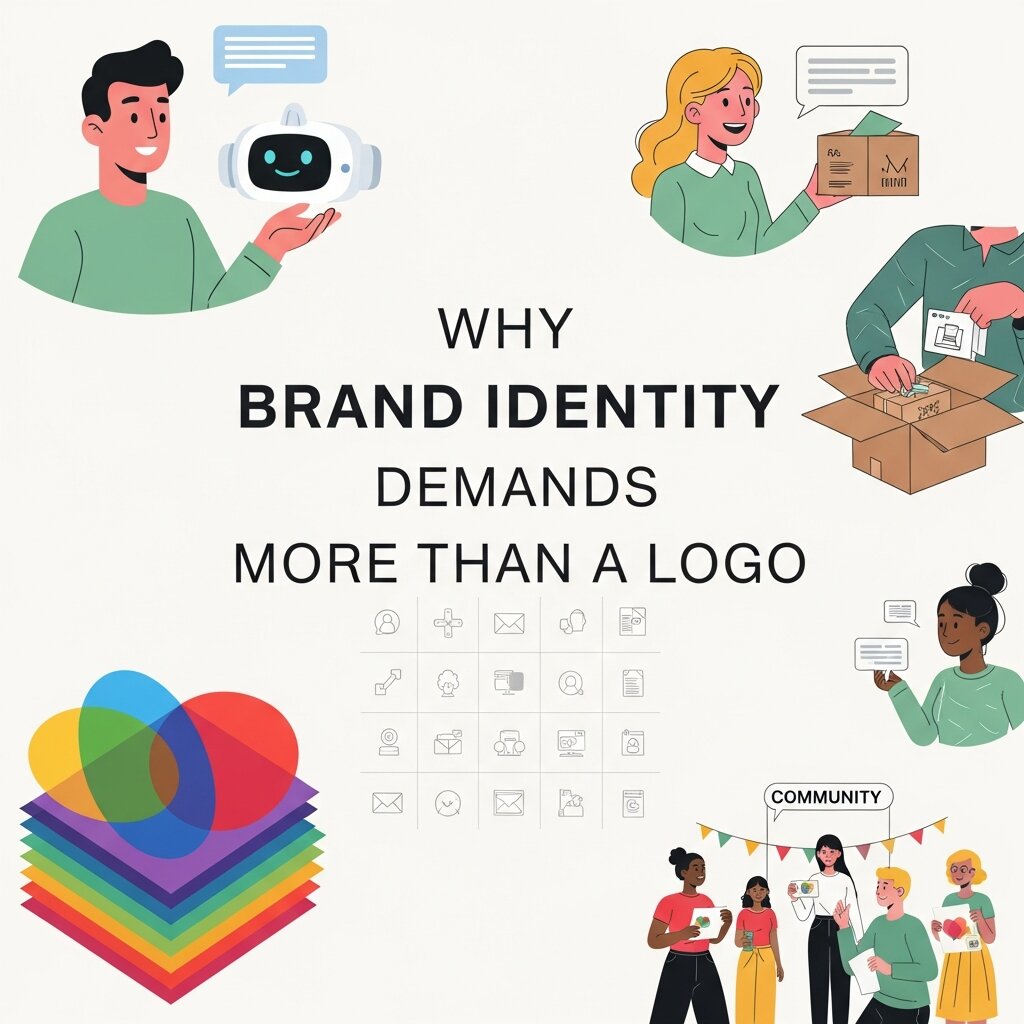
Why Brand Identity Demands More Than a Logo
 For a long time, brand identity was treated as a one-time project. You hired a designer, landed on a logo and color palette, printed your business cards, and called it done. That approach no longer holds.
Consumers interact with brands across dozens of touchpoints—social media, mobile apps, physical packaging, video content, and beyond. Each touchpoint is an opportunity to reinforce recognition or dilute it. Consistency matters enormously, but so does adaptability. A logo that works beautifully on a billboard may fail completely as a 32×32 pixel favicon. A color combination that reads confidently on print may look flat on a backlit screen.
This is where creative branding design steps in. Modern brand identity systems are built to flex—maintaining a core visual language while adapting fluidly to different formats, platforms, and contexts.
How Color Theory and Design Shape Emotional Perception
Color does more heavy lifting in branding than most people realize. Research consistently shows that color increases brand recognition by up to 80%, and that people form an initial impression of a product within 90 seconds—with up to 90% of that judgment based on color alone.
Color theory and design work together to create those responses intentionally. Warm tones like red and orange signal urgency, appetite, and energy—which is why fast food brands lean into them. Cool blues project trust, stability, and professionalism, a reason they dominate fintech and healthcare branding. Greens carry associations with nature, growth, and sustainability, making them a natural fit for wellness and eco-conscious brands.
The Psychology Behind Brand Color Choices
Effective color strategy goes deeper than picking a favorite shade. It requires understanding how colors interact with each other, how they render across different media, and how cultural context shapes perception. A color that communicates luxury in one market may carry entirely different connotations in another.
Modern designers use color theory frameworks—like complementary, analogous, and triadic color schemes—to build palettes that feel balanced and intentional. They also pay close attention to contrast ratios, ensuring that brand colors meet accessibility standards and remain readable across devices.
What’s changed recently is the precision available to designers. Digital tools now allow for exact color management across print, screen, and environmental applications, ensuring the coral on your website matches the coral on your packaging—something that was genuinely difficult to control just twenty years ago.
Typography as a Brand Signal
Color rarely works alone. Typography is the other half of the visual identity equation, and it communicates personality just as powerfully. Serif fonts feel established and authoritative. Sans-serifs read as clean and modern. Display fonts—used deliberately—can become signature elements that make a brand immediately recognizable.
The interplay between color and typography is a core discipline of modern creative design. When these two elements are aligned, they amplify each other. When they’re in conflict, even subtle mismatches can make a brand feel visually incoherent without the viewer being able to articulate why.
Creative Branding Design in the Digital Age
 Digital-first branding has introduced both new constraints and new opportunities. A brand that lives primarily online must consider how its identity performs in dark mode, how it translates to short-form video, and how it holds up when compressed into a profile picture.
The most successful brands today treat their visual identity as a system rather than a set of fixed assets. This means defining not just a logo and color palette, but also motion principles, illustration styles, iconography, and photography guidelines that all ladder up to the same visual language.
Building Flexible Visual Identity Systems
Flexible visual identity systems—sometimes called “living brands”—are designed to evolve. Rather than locking a brand into a single logo configuration, modern brand systems often include a family of marks: a primary logo, a secondary wordmark, a simplified icon, and responsive versions that adapt based on available space.
These systems give marketing teams the flexibility to create diverse content without breaking brand consistency. A social media post can feel fresh and unexpected while still being unmistakably on-brand—because the guidelines govern feeling and tone, not just specific assets.
This shift toward systems thinking is one of the defining features of modern creative design. It moves the conversation from “what does our brand look like?” to “how does our brand behave across every context it appears in?”
The Rise of AI Motion Graphics in Brand Storytelling
Perhaps the most significant development in modern creative design is the emergence of AI motion graphics. Animation and motion have always been powerful brand tools—think of the way a smooth logo reveal sets the tone for a video, or how a well-designed loading animation reduces perceived wait time. But creating high-quality motion content used to require specialized skills and significant production time.
AI motion graphics tools are changing that equation rapidly. Platforms powered by generative AI can now produce animated brand assets, transitions, and even full-length motion sequences from text prompts or static designs—drastically reducing the time and cost involved in producing motion content.
What AI Motion Graphics Mean for Brand Consistency
For brand managers, this represents a meaningful shift in capacity. Teams that previously couldn’t justify the budget for motion content can now integrate animation into their social content, onboarding flows, and digital advertising at scale.
The challenge, however, is maintaining consistency. AI motion graphics tools produce output quickly, but without clear creative direction and a defined motion language, brands risk creating animated content that feels disconnected from their broader identity. The same principles that govern static design—color, typography, rhythm, proportion—must be applied deliberately to motion.
Brands that get this right stand out. Motion naturally draws the eye, and animated brand elements tend to outperform static ones in engagement metrics. According to HubSpot, video content generates 1200% more shares than text and image content combined—a figure that underscores why motion is no longer optional for brands serious about digital presence.
Human Creativity and AI: A Collaborative Future
It’s worth being clear about what AI motion graphics tools are—and what they aren’t. These platforms accelerate production and democratize access to motion design. They don’t replace the creative thinking that determines what a brand should feel like, what story it should tell, or how it should position itself in the market.
The most effective use of AI in creative branding design is collaborative. Designers use AI tools to iterate faster, explore more options, and execute at scale—while retaining creative control over the strategic decisions that define brand identity. The technology extends human capability; it doesn’t substitute for it.
Translating Design Into Business Value
 It’s easy to talk about design in aesthetic terms—and harder to talk about it in commercial ones. But the business case for investing in modern creative design is well-documented.
A study by McKinsey found that design-driven companies outperformed industry benchmarks by 211% over a 10-year period. Brands with strong, consistent visual identities command higher price premiums, build loyalty faster, and recover from crises more effectively than their less design-conscious competitors.
This isn’t coincidental. When a brand looks and feels cohesive, consumers read that coherence as a signal of quality and reliability. Visual consistency builds trust—and trust drives purchasing decisions.
Small Brands, Big Design Thinking
Modern creative design principles aren’t reserved for enterprise brands with large in-house teams. The same frameworks—systematic thinking, intentional color use, typographic consistency, and motion principles—can be applied at any scale.
In fact, smaller and emerging brands often have an advantage: they aren’t constrained by legacy assets or years of brand equity tied up in outdated visual systems. Starting fresh means starting smart—building a visual identity that’s designed for the platforms and behaviors of today, not the conventions of a decade ago.
Frequently Asked Questions
1. What is modern creative design?
Modern creative design combines creativity, technology, and strategy to create engaging visual experiences. It includes branding, typography, motion graphics, and digital design elements that help businesses build strong identities and connect effectively with their audiences.
2. Why is brand identity more than just a logo?
Brand identity includes logos, colors, typography, imagery, and brand voice. These elements work together to create a consistent experience that shapes customer perceptions, builds trust, and strengthens recognition across digital and physical marketing channels.
3. How does color theory influence brand perception?
Color theory helps brands communicate emotions and values through carefully selected color palettes. Strategic color choices influence customer feelings, improve brand recognition, and create visual harmony that strengthens the overall identity and marketing effectiveness of a business.
4. Why is typography important in modern creative design?
Typography affects readability, personality, and brand perception. The right font choices make content easier to understand while communicating professionalism, creativity, or trustworthiness, helping businesses establish a memorable and consistent visual identity across all platforms.
5. What are AI motion graphics?
AI motion graphics use artificial intelligence to create animations and visual effects faster and more efficiently. They help businesses produce engaging videos, social media content, and branded animations while reducing production time and creative costs significantly.
6. Can AI replace human designers?
No. AI assists with automation and idea generation, but human designers provide creativity, emotional understanding, and strategic thinking. The best results come from combining AI tools with human expertise to create meaningful and memorable brand experiences.
7. What is a flexible visual identity system?
A flexible visual identity system includes adaptable logos, colors, typography, and design elements that maintain consistency across platforms. It allows brands to evolve and create diverse content while preserving a recognizable and cohesive visual presence.
8. How does modern creative design improve business performance?
Modern creative design increases brand recognition, improves customer experiences, and strengthens trust. Businesses with strong visual identities often enjoy higher engagement, better conversion rates, and stronger customer loyalty, contributing directly to long-term growth and competitive advantage.
9. Can small businesses benefit from modern creative design?
Yes. Small businesses can use modern creative design to establish credibility, attract customers, and compete with larger brands. A professional and consistent visual identity helps create trust and leaves a lasting impression without requiring a massive marketing budget.
10. How often should brands update their visual identity?
Brands should review their visual identity regularly and make updates when customer preferences, technology, or business goals change. Small improvements over time help maintain relevance while preserving the recognition and trust already established with audiences.
The Standard Has Changed
Design expectations have risen sharply—and they won’t be coming back down. Consumers are visually literate in ways previous generations weren’t, shaped by constant exposure to high-quality design through smartphones, streaming platforms, and social media. What felt polished five years ago often looks dated today.
For any brand serious about long-term relevance, investing in modern creative design is not a luxury—it’s a baseline requirement. The businesses that approach visual identity as a strategic discipline, rather than an afterthought, are the ones that build recognition, earn trust, and ultimately, win in crowded markets.