Great design does more than catch the eye—it moves people to act, think, and connect. For brands and creators alike, digital creative design has become the engine behind memorable campaigns, intuitive products, and experiences that customers genuinely enjoy.
But staying fresh is hard. Trends shift fast, audiences expect more, and the tools we use change almost monthly. The good news? You don’t need a massive budget or a team of fifty to create work that stands out. You need ideas worth chasing and the willingness to experiment.
This post explores practical digital creative design ideas that can inspire innovation and fuel real growth. From color theory and design principles to AI motion graphics, you’ll find approaches you can apply to your next project—whether you’re building a website, launching a campaign, or refreshing your brand.
What Makes Digital Creative Design So Powerful
Digital creative design sits at the intersection of art and strategy. It’s where aesthetics meet function, and where a single visual choice can shape how someone feels about a product in less than a second.
Research from Google found that users form an opinion about a website in about 50 milliseconds. That’s faster than a blink. In that tiny window, color, layout, typography, and imagery all work together to either pull someone in or push them away.
This is why innovative design solutions matter so much. They don’t just decorate—they communicate. The best digital design tells a clear story, guides the eye, and removes friction so the audience can focus on what matters. When done well, design becomes invisible in the best possible way: people simply enjoy the experience without thinking about why.
Use Color Theory and Design to Set the Mood
 Color is one of the fastest ways to shape emotion and meaning. Long before someone reads your headline, they’ve already reacted to your palette.
Understanding color theory and design helps you make intentional choices rather than guessing. Warm tones like red and orange create energy and urgency, which is why so many sale banners lean on them. Cool tones like blue and green signal trust, calm, and reliability—a big reason banks and healthcare brands favor them.
Here are a few ways to put color theory into practice:
- Build around a base palette: Start with two or three core colors, then add accent shades for contrast and emphasis.
- Use the 60-30-10 rule: Devote 60% of your design to a dominant color, 30% to a secondary color, and 10% to an accent that draws attention to key elements like buttons.
- Mind contrast and accessibility: Strong contrast between text and background improves readability and ensures more people can use your design comfortably.
- Test emotional impact: The same product can feel premium in deep navy and playful in bright coral. Try variations and see what resonates.
Color isn’t just decoration—it’s a strategic tool. When you align your palette with the feeling you want to create, your design works harder for you.
Embrace AI Motion Graphics for Dynamic Storytelling
Static images still have their place, but movement grabs attention in a way stillness can’t. AI motion graphics have made dynamic design more accessible than ever, letting smaller teams produce polished animations without huge production costs.
These tools can generate animated elements, transform text into moving sequences, and even suggest transitions based on the mood you’re after. A process that once took days in complex software can now happen in hours.
Think about where motion adds value:
- Hero sections that animate as a page loads, instantly drawing the eye.
- Explainer content that turns abstract ideas into clear, visual stories.
- Social media clips that stop the scroll with quick, punchy movement.
- Micro-interactions like buttons that respond when hovered or tapped.
The key is restraint. Motion should guide attention, not overwhelm it. A subtle animation that highlights a call to action will almost always outperform a flashy effect that distracts from your message. Used thoughtfully, AI motion graphics add personality and energy while keeping your core message front and center.
Design for Interaction, Not Just Observation
 The best digital experiences invite people to participate. Instead of asking your audience to passively watch, give them something to do.
Interactive design turns viewers into active users. Quizzes, sliders, clickable infographics, and customizable previews all deepen engagement and keep people on your page longer. They also create a sense of ownership—when someone shapes their own experience, they’re more likely to remember it.
A product configurator is a great example. Letting customers change colors, features, and styles in real time helps them imagine ownership before they buy. That small moment of play can be the nudge that turns interest into action.
When you design for interaction, you also collect valuable signals. Which features do people click? Where do they linger? These insights help you refine your work and create even better experiences over time.
Build Systems, Not One-Off Designs
Innovation isn’t only about bold visuals—it’s also about consistency. A scattered brand confuses people, while a cohesive one builds trust.
A design system is a shared library of reusable components: colors, fonts, buttons, spacing rules, and more. It keeps everything consistent across platforms and speeds up production because you’re not reinventing the wheel for every project.
Companies like Airbnb and IBM have invested heavily in design systems for exactly this reason. Their teams can move faster and stay aligned, even as they scale across products and regions.
You don’t need an enterprise budget to start. Document your core elements—primary colors, heading styles, button shapes—and treat them as your foundation. As your brand grows, your system grows with it, making innovative design solutions easier to roll out at scale.
Let Typography Do More of the Talking
Typography is often treated as an afterthought, but it carries enormous weight. The right typeface can convey luxury, playfulness, authority, or warmth before a single word is read.
Experiment with type as a design element in its own right:
- Oversized headlines that command attention and anchor a layout.
- Mixed weights and styles to create visual hierarchy and guide the eye.
- Variable fonts that adjust smoothly across screen sizes for cleaner responsive design.
- Kinetic typography that pairs naturally with AI motion graphics for added impact.
Strong typography improves readability and reinforces personality at the same time. When your words look as good as they sound, your message lands harder.
Draw Inspiration from Outside Your Industry
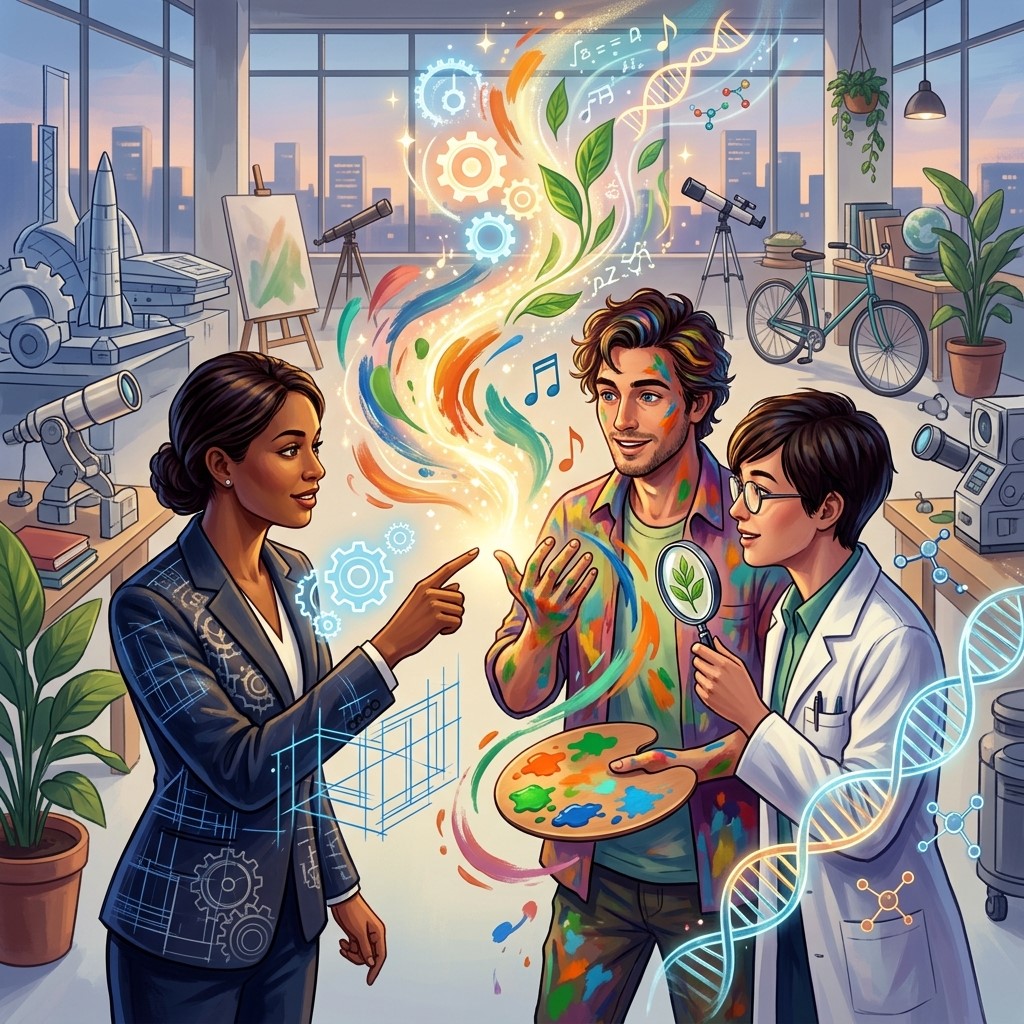 One of the simplest ways to spark fresh ideas is to look beyond your own field. A fintech brand might learn about playful interaction from a gaming app. A SaaS company might borrow editorial layouts from a fashion magazine.
Cross-pollination breaks the echo chamber that makes so many brands look alike. When you study what works in unrelated spaces, you bring back ideas your competitors haven’t considered.
Keep a running collection of designs you admire—screenshots, ads, packaging, anything that catches your eye. Over time, this becomes a personal library you can mine whenever you feel stuck. Inspiration rarely arrives on demand, but a well-stocked reference folder helps you find it faster.
Test, Learn, and Iterate
No design is ever truly finished. The brands that grow fastest treat design as an ongoing experiment rather than a one-time event.
A/B testing lets you compare versions and let data guide your decisions. Maybe a green button outperforms a blue one, or a shorter headline drives more clicks. These small wins compound over time into meaningful growth.
Pair quantitative data with qualitative feedback. Numbers tell you what’s happening, but user comments and session recordings tell you why. Together, they give you a fuller picture and point you toward smarter, more innovative design solutions.
Create Immersive Experiences with 3D and Mixed Media
Digital creative design is moving beyond flat visuals. Brands are increasingly combining 3D elements, illustrations, photography, and motion graphics to create immersive experiences that capture attention instantly. Interactive 3D product views, layered visual compositions, and mixed media campaigns make content feel more dynamic and memorable. These techniques are especially effective for e-commerce, gaming, and technology brands that want to showcase products in engaging ways. The key is balance—3D effects should enhance usability rather than distract from it. When combined thoughtfully with your existing design system, mixed media can add depth, strengthen storytelling, and give your brand a distinctive visual identity that stands out in crowded digital spaces.
Prioritize User Experience as a Creative Advantage
Creativity isn’t just about making things look beautiful—it’s about making them easier and more enjoyable to use. Exceptional digital creative design puts user experience at the center of every decision. Fast-loading pages, intuitive navigation, responsive layouts, and clear calls to action all contribute to a smoother journey for users. Brands that prioritize usability often outperform competitors because customers appreciate experiences that save time and reduce frustration. Creative ideas are most effective when paired with functionality. By focusing on both aesthetics and user needs, businesses can create digital experiences that not only attract attention but also build trust, increase engagement, and drive long-term growth.
FAQ: Digital Creative Design
1. What is digital creative design?
Digital creative design is the process of combining creativity, technology, and strategy to create engaging digital experiences. It includes graphics, websites, animations, videos, and interactive content that help brands communicate their message, attract audiences, and build stronger connections across digital platforms.
2. Why is digital creative design important for businesses?
Digital creative design helps businesses stand out in competitive markets by improving brand recognition and customer engagement. Well-designed visuals and user experiences create positive impressions, increase trust, and encourage customers to interact with products or services, ultimately contributing to business growth and long-term success.
3. How does color theory improve digital design?
Color theory helps designers choose colors that evoke specific emotions and guide user behavior. Strategic color combinations improve readability, strengthen brand identity, and create visual harmony. Understanding how colors interact allows designers to create experiences that are both aesthetically pleasing and emotionally impactful for audiences.
4. What are AI motion graphics in digital design?
AI motion graphics use artificial intelligence to create animations, transitions, and dynamic visual effects more efficiently. These tools help designers produce engaging content faster, automate repetitive tasks, and explore creative possibilities while maintaining high-quality visuals that capture attention and enhance storytelling across digital platforms.
5. How can interactive design increase user engagement?
Interactive design encourages users to actively participate instead of passively consuming content. Features like quizzes, sliders, clickable infographics, and product customizers create engaging experiences that keep visitors interested longer, improve customer satisfaction, and increase the likelihood of conversions, shares, and repeat visits.
6. What is a design system, and why is it useful?
A design system is a collection of reusable components, style guidelines, and design standards that ensure consistency across projects. It helps teams work more efficiently, maintain a unified brand identity, and create scalable digital products while reducing design inconsistencies and speeding up development processes significantly.
7. Why is typography important in digital creative design?
Typography influences how people perceive and understand content. The right fonts improve readability, establish brand personality, and create visual hierarchy. Creative typography can also become a powerful design element that captures attention, strengthens messaging, and enhances the overall user experience across websites and digital campaigns.
8. How can designers find inspiration for creative projects?
Designers can find inspiration by exploring work outside their industry, studying trends, collecting visual references, and experimenting with new tools. Looking at diverse creative fields encourages fresh ideas and helps designers develop innovative solutions that feel unique rather than following predictable industry conventions or styles.
9. What role does testing play in digital creative design?
Testing helps designers understand what works best for their audience. A/B testing, user feedback, and analytics reveal how people interact with designs, allowing teams to make data-driven improvements. Continuous testing ensures designs remain effective, user-friendly, and aligned with changing customer needs and expectations over time.
10. How can businesses improve their digital creative design strategy?
Businesses can improve their digital creative design strategy by understanding their audience, investing in consistent branding, embracing new technologies, and regularly testing ideas. Combining creativity with data-driven decisions helps create engaging experiences that strengthen brand identity, increase customer loyalty, and drive sustainable business growth.
Turning Ideas Into Momentum
Digital creative design rewards the curious. The brands that thrive aren’t necessarily the ones with the biggest budgets—they’re the ones willing to experiment, learn, and keep pushing their ideas forward.
Start small. Pick one idea from this list—maybe refining your color palette, testing AI motion graphics, or adding an interactive element—and put it into practice this week. Measure the results, learn what works, and build from there.