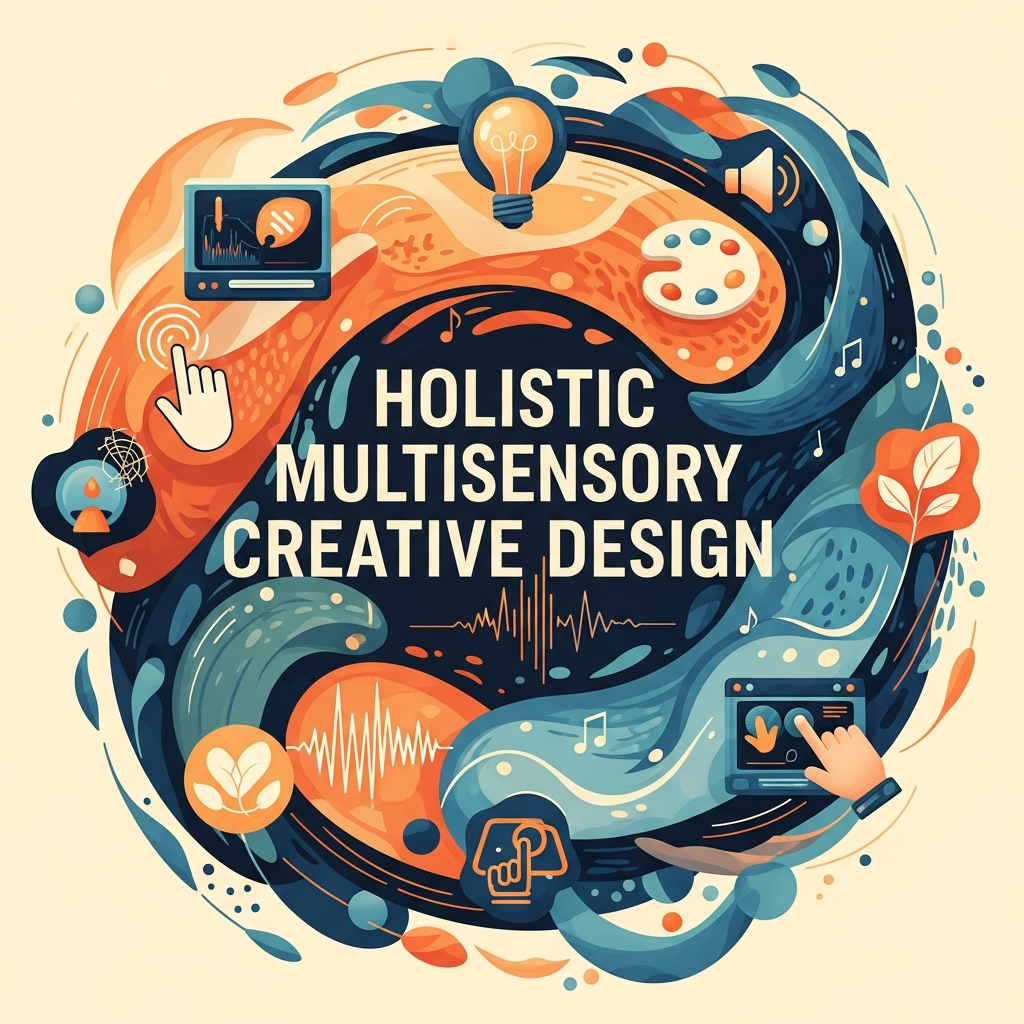
In today’s fast-paced world, capturing attention goes beyond static visuals and catchy slogans. Brands that embrace a comprehensive sensory methodology can foster deeper emotional connections and create lasting impressions. Holistic Multisensory Creative Design integrates sight, sound, touch, taste, and smell to craft immersive narratives that resonate in today’s digital landscape. Rather than relying solely on graphic elements or audio cues, this approach layers multiple sensory stimuli in harmony, delivering experiences that feel both memorable and meaningful.
Currently, consumers expect more than just information—they crave engagement that taps into their memories and emotions. Research indicates that engaging two or more senses can boost retention by up to 70 percent, making multisensory initiatives a powerful tool for marketers and designers alike. From product packaging that invites a tactile exploration to branded spaces infused with signature fragrances, each element reinforces the overarching narrative. In this blog post, we’ll explore how Holistic Multisensory Creative Design can transform ordinary touchpoints into multi-layered journeys and provide actionable insights for creative teams aiming to push the boundaries of audience engagement this year (2026).
Understanding the Science of Perception
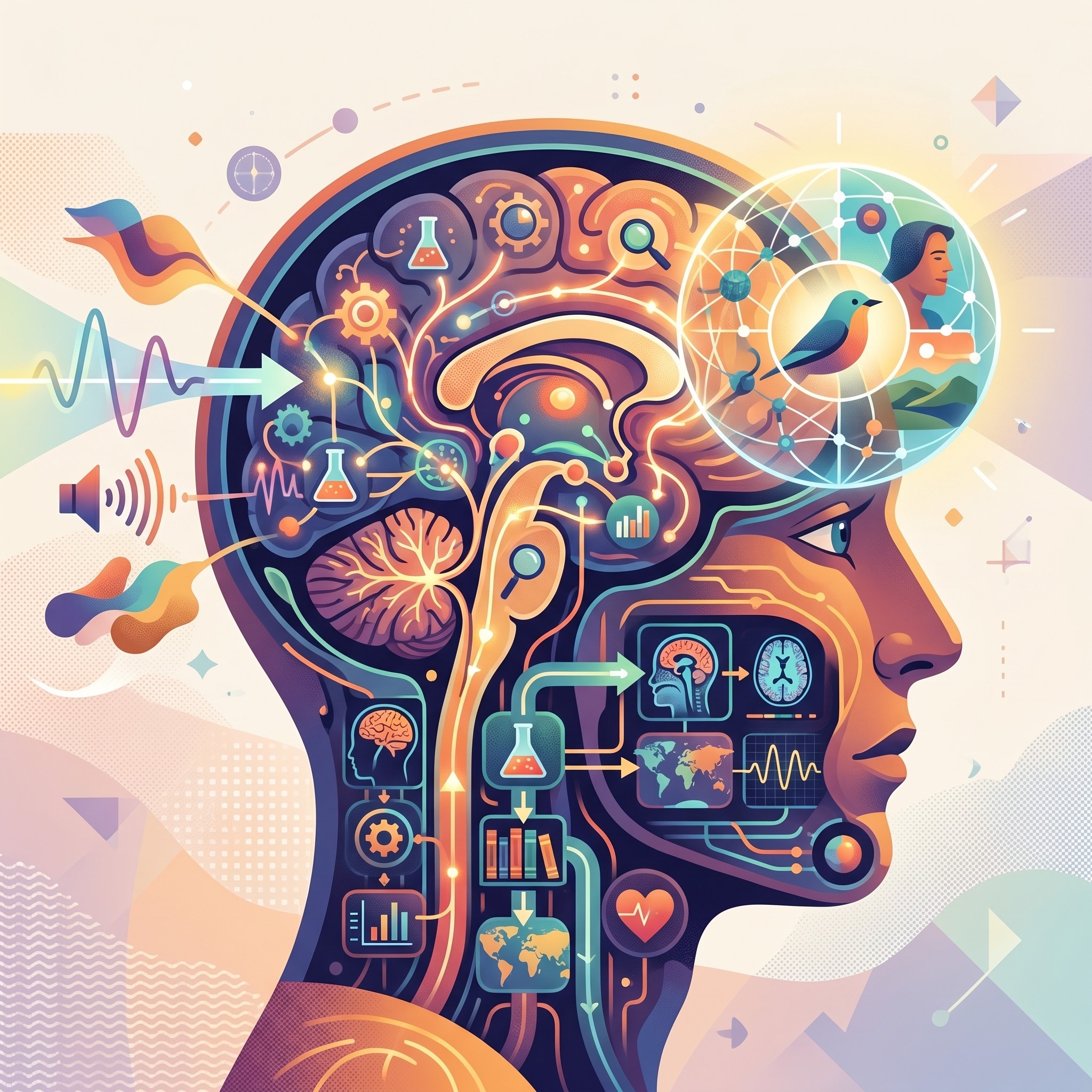 Human perception is inherently multisensory, shaped by complex neural networks that weave together inputs from our eyes, ears, skin, nose, and tongue. When one sense is activated, it often triggers complementary responses in others—a phenomenon known as cross-modal perception. For example, a crisp visual can appear more vivid when paired with the right background audio. Neuroscientific studies, including work highlighted by Harvard University, demonstrate that combining sensory cues strengthens synaptic pathways, improving recall and emotional resonance. By tapping into these mechanisms, designers can sculpt experiences that feel intuitive and engaging.
At the core of this science is the concept of sensory congruence: the idea that stimuli should complement rather than compete. A mismatch—such as a soothing scent paired with jarring music—can create cognitive dissonance, undermining the intended brand message. Conversely, harmonious sensory pairings support cognitive flow, allowing users to navigate experiences effortlessly. For brands aiming to stand out in crowded markets, understanding these neurological principles is essential. Leveraging multisensory insights ensures every touchpoint—from digital ads to in-person activations—feels coherent and impactful.
Integrating this understanding into your creative process doesn’t require a neuroscience degree. Start by mapping key customer journey stages and identify which senses have been underutilized. For instance, while most e-commerce sites focus heavily on visuals and descriptions, they often bypass tactile or olfactory opportunities. By reimagining packaging as a canvas for texture and scent, brands can tap into dormant sensory channels, ultimately driving stronger brand recall and advocacy.
Holistic Multisensory Creative Design isn’t just theory—it’s a pragmatic strategy to elevate every interaction. The next sections will unpack the core principles, tactical implementations, emerging technologies, and metrics needed to bring this approach to life in today’s market.
Core Principles for Multi-Sense Creativity
Launching a successful multisensory initiative begins with a clear framework. First, establish consistency across all sensory elements. Your visual identity, audio motifs, tactile cues, aromas, and flavors should stem from a unified concept. This coherence prevents sensory overload and reinforces the brand narrative. For example, if your brand embodies serenity, choose pastel color palettes, soft ambient sounds, velvety textures, calming lavender scents, and light herbal-infused tastings.
Second, design every sensory trigger with purpose. Don’t add a scent or texture simply because it’s trendy. Instead, ask: How does this stimulus support the user journey and reinforce key messages? A subtle chime when a user completes a checkout process can evoke a sense of accomplishment, while the right fragrance during an unboxing can evoke anticipation and delight. Purpose-driven sensory cues deepen the connection between action and emotion.
Third, adopt a user-centric mapping approach. Chart each touchpoint—from the very first ad impression through post-purchase follow-up—and assign senses strategically. In digital environments, this may involve pairing visual storytelling with immersive audio tracks or clickable sound effects. In physical settings, it can mean interactive displays that respond to touch and release a branded scent. By aligning sense deployment with user expectations, you create a seamless narrative flow that guides people through your brand world.
Fourth, prototype and iterate. Multisensory concepts can be complex, so develop small-scale mockups or digital simulations to test combinations of stimuli. Gather feedback from representative users to gauge intensity, timing, and overall harmony. This iterative cycle ensures that sensory activations feel natural rather than forced, and helps teams refine the balance between captivation and comfort.
By embedding these core principles into your creative workflow, you establish a strong foundation for Holistic Multisensory Creative Design. With consistency, purpose, user focus, and iterative testing, your projects will resonate more deeply and stand out in an increasingly saturated market.
Crafting Sight, Sound, Touch, Taste, and Smell Synergies
Translating theory into practice requires concrete strategies for each sense. Start with visual and auditory synergy. Motion graphics paired with bespoke audio tracks create layered storytelling. For instance, animated product features can be punctuated by subtle swells in melody or gentle sound effects, guiding attention and emphasizing benefits. This combination enriches brand videos, social ads, and interactive websites.
Visual & Auditory Synergy
Think of an explainer video where each key message is underscored by a unique sonic cue. The result is a dual-layered narrative that captivates sight and hearing simultaneously, enhancing comprehension and retention.
Tactile Storytelling
In retail or unboxing experiences, tactile elements invite customers to explore physical attributes. Textured packaging, embossed logos, or soft-touch finishes add depth. Interactive installations featuring touch screens with haptic feedback enable users to ‘feel’ textures virtually, thanks to innovations documented by the National Institute of Standards and Technology. Tactile storytelling bridges the gap between curiosity and brand loyalty.
Olfactory Branding
Scents are among the most potent emotional triggers. By infusing spaces or packaging with carefully chosen aromas—like citrus for vitality or sandalwood for sophistication—you create memory anchors. Implement signature fragrances in flagship stores or include scented mailers for an unexpected delight that lingers in the mind.
Gustatory Engagement
Taste experiences shine at events and product launches. While food brands inherently benefit, non-food companies can partner with artisanal chocolatiers or mixologists to craft branded tastings. A branded mocktail station at a corporate event, for instance, turns sampling into a storytelling moment that highlights core brand attributes.
Leveraging Emerging Technologies
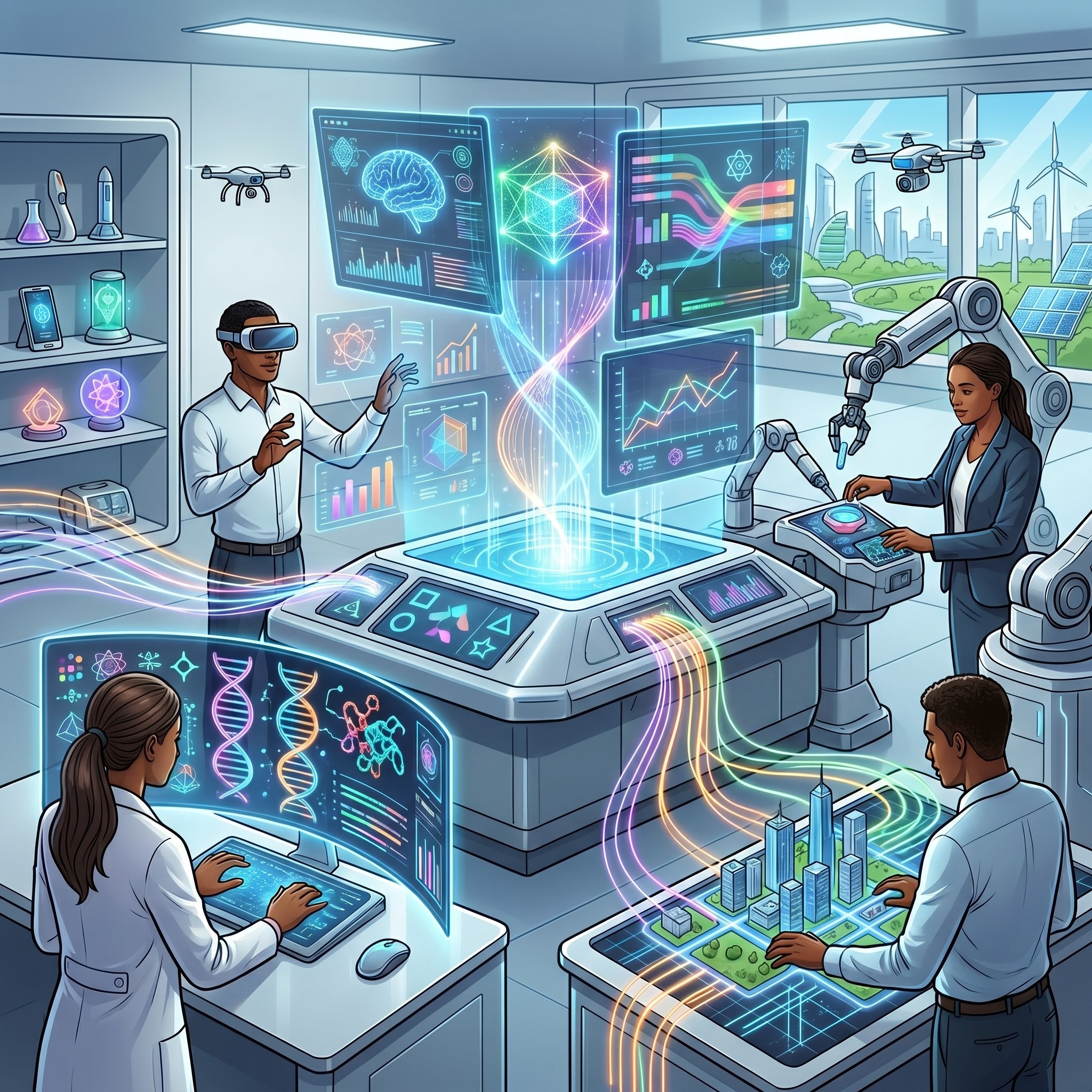 Advances in technology are expanding the multisensory frontier. Haptic feedback devices now simulate a wide range of textures on touchscreens, bringing digital surfaces to life. Virtual reality (VR) and augmented reality (AR) platforms are experimenting with scent-dispensing peripherals that release calibrated fragrances at key moments, deepening immersion. Meanwhile, AI-driven personalization engines analyze user preferences and context to tailor sensory outputs, ensuring every interaction feels bespoke.
For example, an AI-powered platform might detect when a user lingers on a product page and trigger a scent sample coupon via email, reinforcing the shopping impulse. In physical showrooms, smart sensors can adjust ambient sounds and lighting based on real-time foot traffic and dwell times. These dynamic environments enhance comfort and encourage exploration, ultimately boosting conversion rates.
Another promising avenue is neurofeedback integration. By leveraging tools such as EEG and galvanic skin response, brands can gather subtle indicators of emotional engagement. This data informs iterative refinements, ensuring sensory intensities hit the sweet spot between stimulation and overwhelm. Early adopters have reported measurable uplifts in dwell time and social sharing, validating the ROI of multisensory investment.
Incorporating these technologies requires cross-disciplinary collaboration. Engage hardware specialists, software developers, and sensory scientists early in the design process. Pilot programs with select customer segments help validate technical feasibility and user receptivity before full-scale rollout.
Evaluating Success and Industry Examples
Quantifying the impact of Holistic Multisensory Creative Design begins with clear KPIs. Track metrics such as average time spent engaging with multisensory content, social media mentions of sensory experiences, and sentiment analysis from post-interaction surveys. Neuromarketing tools—including eye-tracking and EEG—provide deeper insights into subconscious responses, revealing which stimuli drive positive emotional peaks.
Consider Apple’s retail ecosystem, where minimalist design, the signature entry chime, and crisp product unboxing converge to reinforce premium positioning. Each element—visual, auditory, and tactile—works in concert to deliver a cohesive experience that strengthens customer loyalty. Similarly, British designer Tom Dixon’s flagship showcases how a custom tobacco-and-vanilla scent can transform a purely visual environment into a multisensory haven that elevates brand perception.
Beyond these high-profile cases, smaller brands are embracing multisensory tactics with impressive results. A boutique hotel chain introduced bespoke pillow scents based on guest profiles, leading to a 15 percent increase in repeat bookings. An e-commerce retailer incorporated textured packaging and ambient unboxing playlists shared by customers on social media, driving a viral spike in brand mentions.
By benchmarking these examples against your own engagements, you can identify gaps and opportunities. Continuous measurement and iteration will ensure your sensory initiatives remain aligned with evolving audience preferences in today’s competitive market.
The Role of Emotional Memory in Holistic Multisensory Experiences
One of the strongest advantages of Holistic Multisensory Creative Design is its ability to activate emotional memory. Human brains naturally associate certain sounds, scents, textures, and visuals with past experiences. A familiar aroma can instantly trigger nostalgia, while a specific melody may recreate a powerful emotional moment. Brands that intentionally design around these emotional triggers can create deeper and more meaningful customer relationships. For example, luxury hotels often use signature scents and calming music to establish comfort and exclusivity. Over time, customers begin associating those sensory details directly with the brand itself. By understanding emotional memory and sensory association, creative teams can craft immersive experiences that stay with audiences long after the interaction ends, increasing both loyalty and long-term brand recognition.
How Holistic Multisensory Design Enhances Customer Loyalty
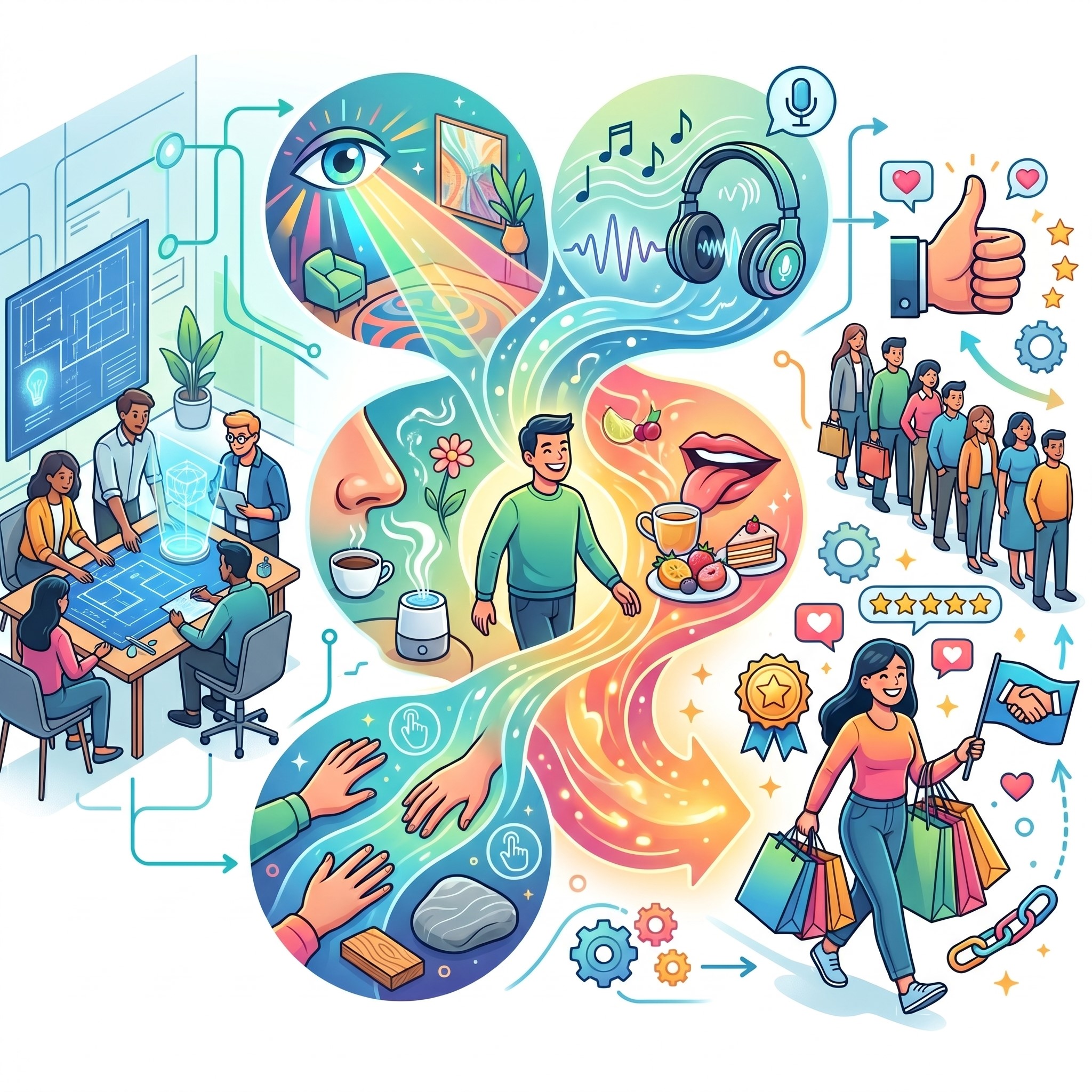 Customer loyalty grows stronger when people feel emotionally connected to a brand, and multisensory engagement helps create those connections more effectively. Traditional marketing often relies heavily on visual messaging, but Holistic Multisensory strategies engage multiple senses simultaneously to create richer experiences. When customers consistently encounter recognizable sensory elements—such as a signature sound, packaging texture, or branded scent—they develop familiarity and trust over time. These repeated sensory interactions make the brand feel more personal and memorable. Businesses that invest in multisensory experiences often see higher customer retention, increased word-of-mouth marketing, and stronger emotional attachment from their audiences. By creating environments and campaigns that stimulate multiple senses harmoniously, brands can transform casual customers into loyal advocates who actively engage with the brand long term.
Sustainability and Ethical Considerations in Multisensory Design
As multisensory branding evolves, sustainability and ethical responsibility have become increasingly important considerations. Consumers today expect brands to create immersive experiences without contributing to excessive waste or environmental harm. Designers should therefore prioritize eco-friendly materials, recyclable packaging, and responsibly sourced ingredients when developing tactile, olfactory, or gustatory experiences. Ethical considerations also extend to accessibility and sensory sensitivity. Some users may experience discomfort from strong fragrances, flashing visuals, or loud audio environments, making inclusive design essential. Transparent communication about ingredients, materials, and sensory components further helps build consumer trust. By balancing creativity with sustainability and inclusivity, brands can ensure their Holistic Multisensory initiatives remain both innovative and socially responsible while appealing to modern audiences who value ethical business practices.
FAQ
What is Holistic Multisensory Creative Design?
Holistic Multisensory Creative Design is an approach that integrates sight, sound, touch, taste, and smell to create immersive brand experiences that resonate emotionally and enhance retention.
How can brands start implementing multisensory strategies?
Brands can begin by mapping customer touchpoints, identifying underutilized senses, and integrating purposeful stimuli—like branded scents or tactile packaging—aligned with their core narrative.
Which metrics are most important for measuring success?
Key metrics include engagement time, social mentions, sentiment analysis, and insights from neuromarketing tools such as eye-tracking and EEG to gauge subconscious responses.
Do I need advanced technology to leverage multisensory design?
While emerging technologies enhance multisensory experiences, many strategies—such as scent-infused mailers or textured finishes—can be applied with existing resources and iterative testing.
Conclusion
Holistic Multisensory Creative Design offers a transformative path for brands seeking deeper engagement and lasting impressions. By weaving together sight, sound, touch, taste, and smell, organizations can craft experiences that resonate emotionally and fortify brand identity. In today’s digital landscape, where attention is fleeting, tapping into multiple sensory channels creates memorable moments that differentiate your offerings.
As you explore these principles and strategies, remember to prioritize consistency, purpose, and user-centric mapping. Leverage emerging technologies and robust measurement frameworks to refine your approach continually. Embrace the power of all five senses and elevate every touchpoint into a compelling narrative that transforms passive observers into active brand advocates today.
Read more about this topic: Transforming Education with a Visual Curriculum Design Tool