
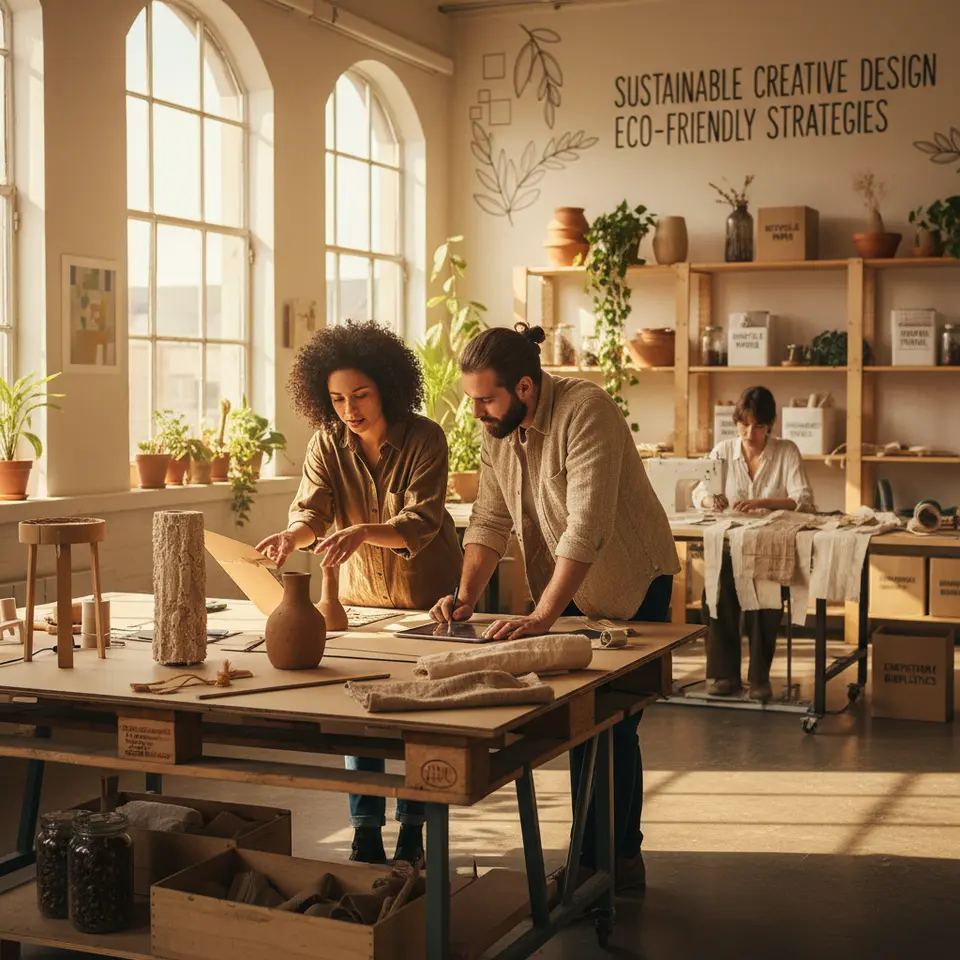
In today’s digital landscape, creative professionals face a dual challenge: delivering visually compelling work while minimizing environmental harm. Sustainable creative design bridges artistry and ecological responsibility, empowering teams to craft memorable visuals without sacrificing the planet’s well-being. This approach compels designers, marketers, and brands to scrutinize every decision—from concept ideation to material selection, production pipelines, and end-of-life disposal.
This year (2026), sustainability has moved from a peripheral concern to a core criterion in project planning and execution. As resources become scarcer and eco-regulations tighten, embedding green principles early on delivers both environmental benefits and cost efficiencies. Adopting sustainable creative design fosters innovation—prompting teams to devise modular templates, minimize wasteful review cycles, and utilize renewable inputs. The following sections explore foundational concepts, actionable strategies, and real-world technologies that transform theoretical green ambitions into tangible, high-impact outcomes.
Embedding Environmental Stewardship in Concept Development
Effective sustainable creative design begins during the brainstorming stage. By proactively integrating eco-conscious guidelines, teams can avoid resource-intensive revisions down the line. Start by mapping out the full lifecycle of a project—envision how assets will be created, distributed, used, and eventually retired. This cradle-to-cradle perspective ensures that every visual element, package mockup, or marketing collateral is conceived with circularity in mind.
Designers should conduct an early-stage environmental impact assessment that outlines material sourcing, energy consumption, transportation emissions, and disposal scenarios. Such an audit can be organized via a simple spreadsheet or specialized software, flagging high-impact areas for targeted innovation. For instance, if a branding campaign relies heavily on printed materials, consider limiting paper stock to certified sources, reducing overall page counts, or shifting more content to digital formats.
Collaboration plays a crucial role in aligning sustainability goals with creative direction. Invite cross-functional stakeholders—procurement, operations, sustainability officers, and clients—to discuss expectations, budget constraints, and renewable alternatives. This dialogue fosters shared ownership of green metrics such as waste reduction targets or carbon offset percentages per deliverable. By agreeing on these benchmarks at the outset, teams can iterate with clarity and measure success objectively.
In today’s competitive market, sustainable concept development also drives brand differentiation. Consumers increasingly seek companies that align with their environmental values. According to the United Nations Sustainable Development Goals, embedding responsible consumption and production patterns elevates brand reputation and fosters long-term loyalty. Thus, designing with eco-awareness not only reduces ecological footprints but also bolsters market positioning—a win-win for creativity and corporate purpose.
Core Principles Guiding Sustainable Creative Design
 At the heart of sustainable creative design lie four guiding principles: waste reduction, renewable sourcing, durability, and disassembly. First, waste reduction demands minimal resource usage from initial sketches to final proofs. Streamline feedback loops through collaborative review platforms to curb excessive printing and digital bloat. Implement version controls that archive iterations without creating redundant files.
Second, renewable sourcing calls for materials and supplies that originate from responsibly managed forests, post-consumer recycled content, or rapidly renewable crops. Seek FSC certification for paper products and opt for biodegradable inks—such as soy- or water-based formulations—to limit toxic byproducts. Many print providers now offer carbon-neutral services validated by the EPA’s sustainability guidelines.
Third, promoting longevity means crafting visual assets that transcend fleeting trends. Timeless design reduces the need for frequent rebranding, thereby decreasing material waste and labor input over subsequent campaigns. Develop a flexible brand toolkit—colors, typography, and layout systems—that can adapt to new contexts without complete overhauls.
Finally, enabling disassembly ensures that physical outputs, such as packaging or event signage, can be easily separated into recyclable or reusable components. Modular packaging designs, for example, allow end users to repurpose boxes as storage solutions or planting kits. By designing for deconstruction, you close the loop between production and reuse, advancing circularity in creative ecosystems.
Selecting Eco-Friendly Materials and Digital Solutions
 Choosing the right inputs can significantly lower the environmental impact of creative projects. In print workflows, recycled or post-consumer waste papers should be the default. Cotton-based textiles derived from agricultural byproducts offer an alternative to virgin cotton, which demands high water usage. For inks, water- or soy-based formulations reduce volatile organic compounds (VOCs) compared to petroleum-based variants.
On the digital front, hardware efficiency matters. Power-hungry servers and workstations contribute to rising energy consumption. Transitioning to energy-efficient models or leveraging cloud-based services helps lower on-site electricity usage. Platforms such as those offered by major cloud providers often operate data centers optimized for low-carbon operations. For research on sustainable IT infrastructures, refer to institutions like the United Nations Environment Programme.
Collaboration tools also play a role. Cloud-based asset management and real-time co-editing eliminate redundant file transfers and local backups. By reducing storage duplication and enabling immediate feedback, these platforms shrink both your digital and operational footprint. Always verify that vendors maintain carbon-offset programs or renewable energy credits to further align with green objectives.
Finally, materials verification should involve third-party certifications. Whether it’s FSC for forestry products, Cradle to Cradle for cradle-to-cradle design validation, or a reputable eco-label for textiles, certification offers transparency and accountability. These credentials reassure clients and stakeholders that sustainability claims are rooted in rigorous standards rather than greenwashed rhetoric.
Embracing Circular Strategies for Creative Projects
Circular design extends beyond selecting green materials; it reshapes workflows to treat waste as a resource. In creative environments, this translates to building modular mockup kits and flexible templates. Instead of creating assets from scratch for every campaign, teams can draw on pre-approved, adaptable components to minimize new resource consumption.
For physical productions—packaging, exhibition booths, or event signage—design modular systems that can be reconfigured rather than discarded. Use snap-fit assemblies or standardized fasteners to enable rapid disassembly and reassembly. After an event, components can be re-sold or repurposed, reducing landfill contributions and procurement costs for future initiatives.
In digital spaces, version control and tagging systems ensure that asset libraries remain lean. Tag images, icons, and layouts by usage rights, color profiles, and dimensions to facilitate quick retrieval. Encourage designers to reference existing assets before creating duplicates. This practice not only conserves storage resources but also accelerates delivery timelines.
Embedding feedback loops for continuous improvement is vital. After each project, conduct a post-mortem to analyze waste streams—both physical and digital. Quantify material scraps, print overruns, and redundant file storage. Use these insights to refine guidelines, update design libraries, and optimize procurement strategies for the next cycle.
Harnessing Technology to Enhance Green Design Practices
Advancements in AI, machine learning, and automation are revolutionizing sustainable creative design. AI-driven layout engines can optimize page composition to minimize ink usage by intelligently adjusting color density. Machine learning algorithms predict audience engagement, reducing the number of A/B tests needed to finalize a design. This lowers both energy consumption on testing servers and the production of physical proofs.
Virtual prototyping is another game-changer. Instead of producing physical mockups for packaging or product displays, teams can leverage 3D rendering tools and augmented reality previews. Stakeholders can visualize concepts on mobile devices or in VR environments, reducing material waste and shipping emissions. These immersive technologies also accelerate approval cycles by offering realistic previews in real time.
Automation platforms streamline repetitive tasks, such as exporting files in multiple formats or resizing images for various channels. By creating automated workflows, designers free up time for strategic innovation and decrease the likelihood of manual errors that often lead to reprints. Many of these tools integrate with project management systems, ensuring eco-metrics remain visible across the entire creative pipeline.
Monitoring tools provide ongoing visibility into environmental performance. Dashboards can track key metrics—material waste, energy usage, digital storage footprint—against established targets. Integrating APIs from software providers or building custom analytics solutions helps maintain transparency and accountability. By continuously measuring impact, teams can celebrate successes and pinpoint areas for further optimization in real time.
Building Sustainable Brand Identity Systems
 Creating a sustainable brand identity involves more than designing a visually appealing logo or selecting eco-friendly colors. A truly sustainable identity system is adaptable, timeless, and capable of evolving without requiring complete redesigns every few years. Designers should focus on creating modular visual systems with reusable typography, scalable layouts, and versatile graphic components that perform consistently across print and digital platforms. By avoiding trend-driven aesthetics that quickly become outdated, brands can minimize waste generated through frequent rebranding efforts.
Additionally, sustainable identity systems should prioritize digital-first strategies to reduce reliance on printed collateral. Lightweight file formats, optimized image assets, and accessible web design practices lower energy consumption while improving user experiences. Documentation is equally important; maintaining comprehensive style guides prevents inconsistencies that often lead to unnecessary revisions and duplicated assets. In today’s environmentally conscious market, brands that adopt flexible and durable identity systems demonstrate long-term responsibility while reducing operational costs. This year (2026), sustainable branding continues to shape how consumers perceive authenticity, trust, and corporate accountability across industries worldwide.
Reducing Carbon Footprints in Print and Packaging Design
Print and packaging design can generate significant environmental impact when inefficient production methods or unsustainable materials are used. To reduce carbon footprints effectively, designers should begin by evaluating every stage of the packaging lifecycle, including sourcing, manufacturing, transportation, and disposal. Lightweight packaging materials reduce shipping emissions, while minimalist structural designs decrease overall material usage without compromising product protection or visual appeal.
Using recyclable, compostable, or reusable materials also contributes to a more circular economy. Designers can further lower waste by avoiding excessive coatings, laminations, and mixed-material assemblies that complicate recycling processes. Digital proofing technologies reduce the need for repeated physical samples, helping minimize paper waste and transportation emissions during approval stages. Collaborating closely with local suppliers and printers can additionally reduce logistical impacts while supporting regional economies. By integrating carbon-conscious thinking into print and packaging workflows, creative teams align visual storytelling with environmental stewardship. Throughout this year (2026), eco-friendly packaging strategies continue to influence consumer purchasing decisions and strengthen sustainable brand positioning.
Encouraging Sustainable Collaboration Across Creative Teams
Sustainable creative design thrives when collaboration becomes more intentional and resource-efficient. Creative teams often generate unnecessary waste through duplicated files, excessive revisions, disconnected communication channels, and overlapping responsibilities. Streamlining collaboration processes can significantly reduce both operational inefficiencies and environmental impact. Centralized cloud-based platforms enable designers, marketers, developers, and stakeholders to work within shared ecosystems, minimizing redundant asset creation and large file transfers.
Real-time feedback systems also shorten approval cycles, preventing repeated exports, reprints, and redesigns. Establishing clear sustainability guidelines for internal workflows helps teams maintain consistent eco-conscious practices across projects. For example, organizations can implement policies that prioritize digital reviews over printed mockups or encourage compressed media formats to reduce storage demands. Training sessions and sustainability workshops further strengthen awareness among creative professionals, ensuring environmental goals remain integrated into daily decision-making. In today’s increasingly remote work culture, efficient collaboration tools support both productivity and sustainability simultaneously. This year (2026), businesses that foster environmentally responsible teamwork gain operational advantages while reinforcing a culture of innovation and accountability.
Measuring Sustainability Metrics in Creative Projects
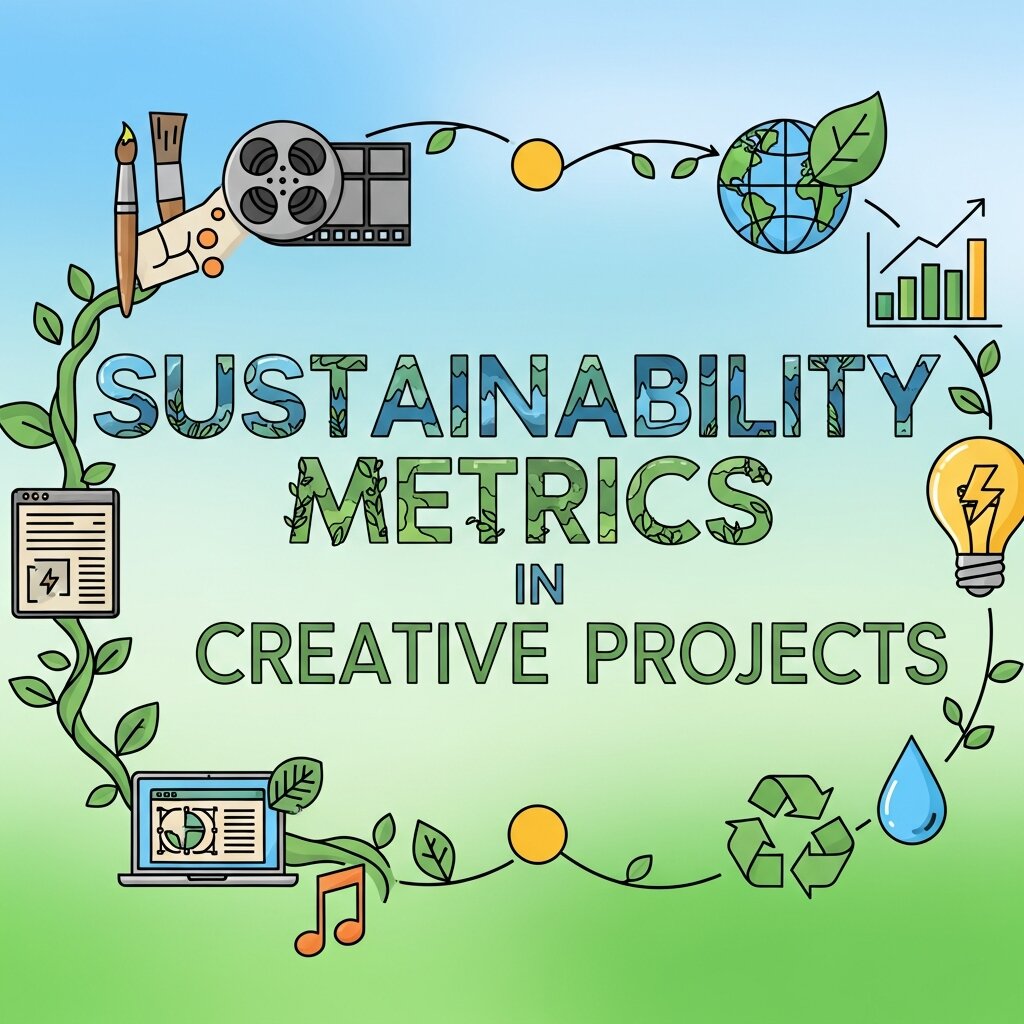 Tracking sustainability metrics is essential for understanding the real environmental impact of creative work. Without measurable data, it becomes difficult for organizations to identify inefficiencies or demonstrate progress toward sustainability goals. Designers and project managers should establish key performance indicators (KPIs) related to waste reduction, energy usage, material sourcing, and carbon emissions before launching a project. These metrics can include paper consumption, digital storage usage, print overruns, transportation distances, and recycling rates.
Analytics dashboards and reporting tools simplify ongoing monitoring by consolidating environmental data into accessible visual reports. Regular audits help teams compare performance against previous campaigns and identify opportunities for improvement. Transparency is equally important when communicating sustainability achievements to stakeholders and clients. Publishing measurable results builds trust and validates eco-conscious claims with tangible evidence. Organizations can also benchmark their practices against recognized frameworks such as the United Nations Sustainable Development Goals or ISO sustainability standards. In this year (2026), data-driven sustainability strategies are becoming a defining factor for creative agencies and brands striving to balance innovation with environmental responsibility.
Educating Consumers Through Sustainable Visual Communication
Sustainable creative design not only reduces environmental impact internally but also serves as a powerful educational tool for audiences. Designers have the ability to shape consumer perceptions and encourage more responsible behaviors through strategic visual communication. Packaging, advertising campaigns, infographics, and digital content can all be used to explain recycling instructions, promote sustainable lifestyles, or highlight the environmental benefits of a product or service.
Clear visual storytelling simplifies complex environmental topics, making sustainability more accessible and engaging for broader audiences. Designers should prioritize transparency by avoiding misleading eco-claims or exaggerated “green” messaging that may damage credibility. Instead, authentic communication supported by certifications, data, and practical examples helps foster trust and informed decision-making. Interactive digital experiences, augmented reality packaging guides, and animated educational campaigns are also becoming increasingly popular for sustainability awareness initiatives. In today’s competitive market, brands that educate rather than simply advertise often build stronger emotional connections with consumers. Throughout this year (2026), sustainable visual communication continues to influence purchasing habits and inspire long-term environmental awareness.
Frequently Asked Questions
What is sustainable creative design?
Sustainable creative design combines artistic vision with ecological responsibility. It involves integrating green principles—like waste reduction, renewable sourcing, and circularity—into every phase of a creative project to minimize environmental impact.
How can I assess environmental impact early in a project?
Conduct an early-stage environmental impact assessment by mapping out material sourcing, energy use, transportation emissions, and disposal scenarios. Use simple spreadsheets or specialized audit software to spot high-impact areas and explore greener alternatives.
Which certifications validate eco-friendly materials?
Look for third-party certifications such as FSC for paper products, Cradle to Cradle for validated circular designs, and reputable eco-labels for textiles. These credentials ensure transparency and guard against greenwashing.
How does technology support sustainable design workflows?
Technologies like AI-driven layout tools, virtual prototyping, and automated workflows reduce waste by minimizing physical proofs, optimizing resource usage, and accelerating review cycles, while dashboards keep eco-metrics visible and actionable.
Conclusion
Sustainable creative design represents the intersection of artistic vision and environmental responsibility. By weaving green principles into every stage—from initial concept development through materials selection, circular workflows, and advanced technologies—organizations can significantly reduce ecological footprints while enhancing brand reputation. Today, this holistic approach is not just an ethical imperative but a strategic differentiator. As designers and stakeholders commit to continuous improvement and transparent measurement, sustainable creative design will become the new norm rather than an exception. Embrace these strategies today to lead the charge toward a more resilient and eco-conscious creative future.
Read more about this topic: Creative Designs: Unlocking Ideas to Make Your Brand Shine