There’s a reason why certain designs stop you mid-scroll. Some visuals just work—they pull attention, communicate meaning instantly, and leave a lasting impression. The difference between design that fades into the background and design that commands a room often comes down to one thing: intentionality.
Center craft creativity design is the discipline of placing creative thought at the core of everything you build. Rather than treating aesthetics as a final layer, this approach embeds creativity into the structural DNA of a project—from the first sketch to the finished product. The result is work that doesn’t just look good, but functions beautifully and resonates deeply.
This post explores what center craft creativity design actually means, why it matters across visual, modern, and digital contexts, and how creatives and organizations can adopt a more craft-centered approach to their work.
What Is Center Craft Creativity Design?
At its simplest, center craft creativity design refers to a philosophy where creative mastery—not just visual output—anchors the entire design process. The word “craft” is key here. Craft implies care, skill, iteration, and deep respect for materials and methods. When applied to creativity and design, it shifts the focus from production speed to intentional excellence.
This approach draws on principles common across disciplines: the architect who considers every sightline, the typographer who obsesses over kerning, the UX designer who maps every user decision point. Each brings a craft-centered mindset to their creative work.
Center craft creativity design is not a style or software tool—it’s a standard. One that asks: Is every element here doing meaningful work?
Why Craft-Centered Thinking Elevates Visual Creative Design
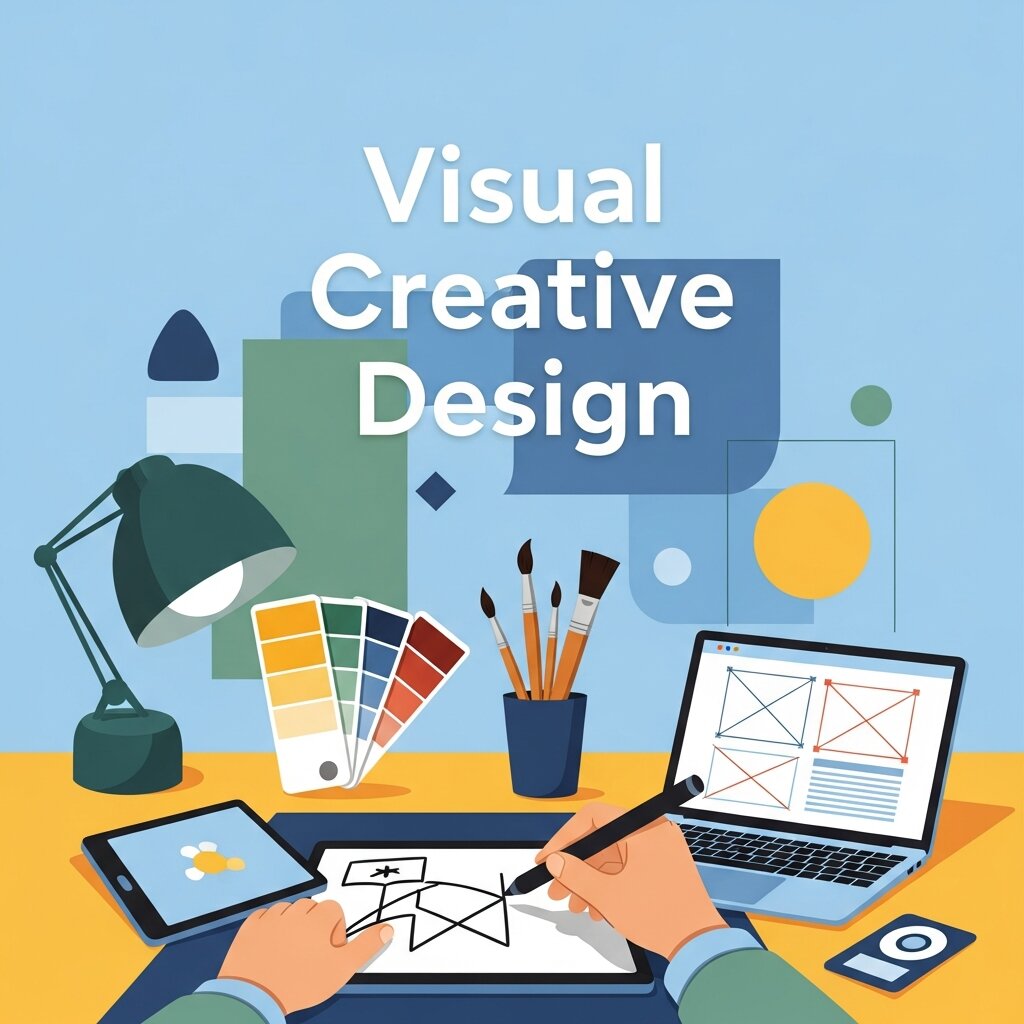 Visual creative design lives in a crowded space. Social media feeds, website landing pages, product packaging, editorial spreads—every one of these environments competes fiercely for attention. Craft-centered thinking gives visual designers a way to cut through.
The core of strong visual creative design is hierarchy: guiding the viewer’s eye deliberately from one element to the next. But hierarchy alone doesn’t create impact. Color theory, spatial balance, typography choices, and texture all work together to produce a visual language that either coheres or clashes.
What center craft creativity design adds to this process is rigor. Rather than defaulting to trends or templates, a craft-centered visual designer asks why. Why this typeface? Why this color pairing? Why this layout? Each answer should connect back to the purpose of the piece—who it’s for, what it needs to communicate, and how it should make the viewer feel.
The Role of Constraint in Visual Excellence
Constraint is one of the most underappreciated tools in visual creative design. Many designers mistake unlimited options for creative freedom, but the opposite is often true. Working within a defined grid, a two-color palette, or a specific aspect ratio forces decisions that reveal the quality of your craft.
Some of the most enduring visual design work—from the Swiss International Style of the mid-20th century to contemporary minimalist branding—emerged from tight constraints. The discipline required to do more with less sharpens creative thinking and ensures that every choice carries weight.
Modern Creative Design: Balancing Tradition and Innovation
Modern creative design sits at a fascinating intersection: it acknowledges the principles that have shaped design for centuries while embracing the tools and contexts of today. Understanding that balance is central to craft excellence.
Classical design thinking—rooted in proportion, rhythm, and harmony—remains deeply relevant. The golden ratio still appears in contemporary logos. Gestalt principles still inform how we group visual elements. These aren’t relics; they’re foundational because they reflect how human beings perceive and process the visual world.
What modern creative design adds is adaptability. Screens come in dozens of sizes. Brands operate across print, digital, and physical environments. Audiences are more visually literate than ever. Modern designers must create work that translates seamlessly across all of these contexts without losing coherence or craft.
What Does “Modern” Actually Mean in Design?
The term “modern” in modern creative design doesn’t mean fashionable or trend-driven. A design that chases every emerging aesthetic will look dated faster than one built on durable principles. Instead, modern creative design means fit for the current environment—responsive, accessible, purposeful, and informed by contemporary user behavior.
Modern design also increasingly considers ethics. Inclusive design, accessible color contrasts, culturally sensitive imagery, and sustainable material choices all fall within the modern designer’s responsibility. Craft-centered thinking extends beyond the aesthetic into the social and environmental impact of the work.
Digital Creative Design: Where Craft Meets Technology
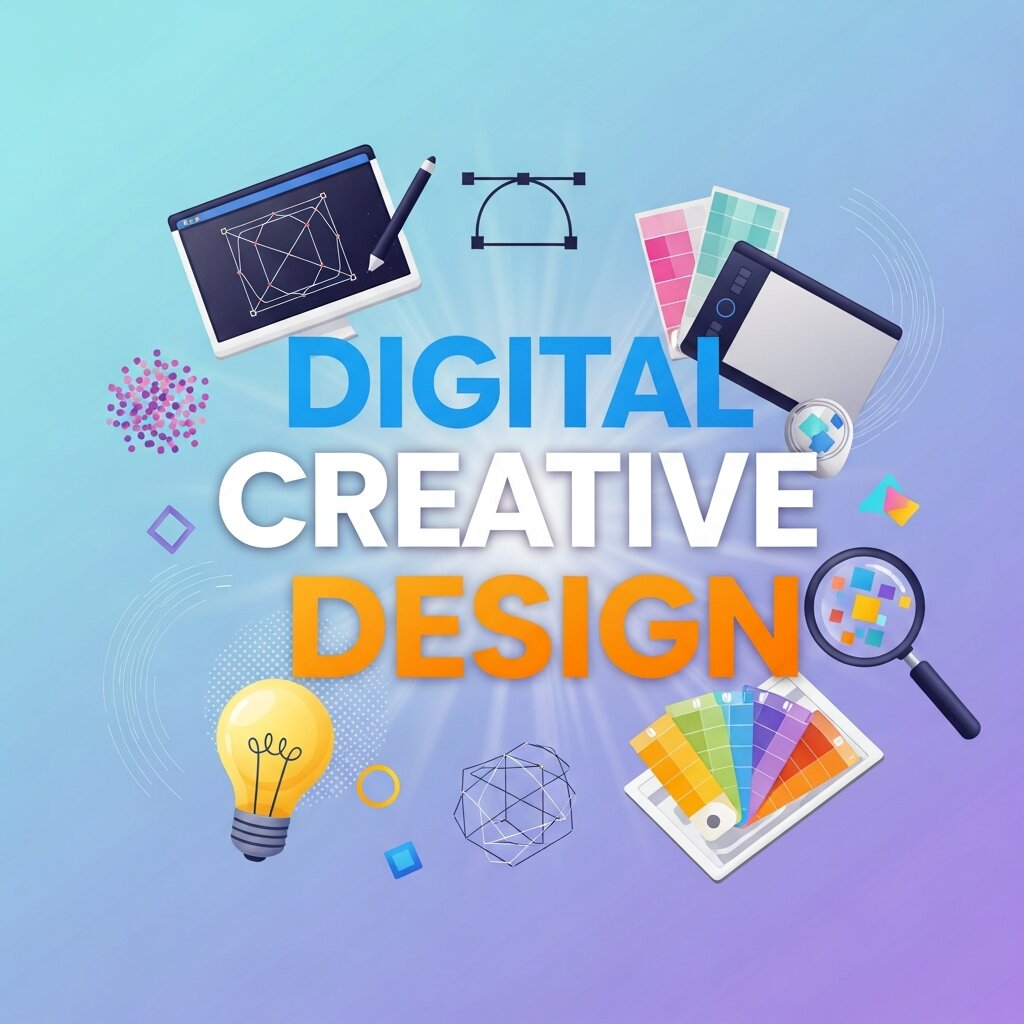 Digital creative design has transformed the creative industry in ways that are still unfolding. Software tools that once required years of technical training are now accessible to anyone with a laptop. This democratization is genuinely exciting—but it also raises the bar for what separates good digital design from great design.
When everyone has access to the same templates, the same font libraries, and the same drag-and-drop platforms, craft becomes the differentiator. Digital creative design at the highest level isn’t about knowing which tools to use—it’s about knowing why and when to use them.
Motion design, interactive UX, generative art, data visualization—these are among the most exciting territories in digital creative design today. Each demands both technical fluency and creative depth. A motion designer who understands timing and easing principles creates work that feels alive. A UX designer who understands cognitive load creates interfaces that feel intuitive rather than frustrating.
How Digital Creative Design Is Reshaping Brand Identity
Brand identity has always been a core application of visual and creative design—but digital environments have fundamentally changed what identity needs to do. A logo that works brilliantly on a business card may fall apart as a social media icon. A color palette that looks striking in print may render inconsistently across screens.
Digital creative design asks brand designers to think in systems rather than single assets. A well-crafted digital brand identity includes flexible logo variations, a defined motion language, responsive typography, and accessibility standards that ensure the brand communicates clearly regardless of how or where it’s encountered.
This systems-level thinking is one of the highest expressions of center craft creativity design—bringing discipline and intentionality to the full ecosystem of a brand’s visual presence.
Developing a Practice of Creative Excellence
Understanding center craft creativity design intellectually is one thing. Building it as a daily practice is another. Here’s what separates designers who consistently produce excellent work from those who plateau.
Deliberate study over passive consumption: Scrolling through design feeds builds visual familiarity, but not craft. Studying the work of designers you admire—analyzing why specific choices were made, how they create meaning—builds genuine design thinking.
Iteration as a commitment, not a backup plan: The first version of any design is rarely the best version. Designers who treat iteration as central to their process—not as a sign of failure—consistently produce stronger outcomes. Craft lives in the revisions.
Cross-disciplinary curiosity: Some of the most innovative design ideas come from outside design. Architecture, music composition, industrial design, poetry—all offer models for how form and function can be unified. A craft-centered designer draws from a wide well.
Feedback as data: Craft-centered creatives develop the ability to receive and use feedback without taking it personally. Criticism of a design is information about whether the work is achieving its purpose—nothing more, nothing less. This mindset accelerates growth considerably.
The Connection Between Craft and Creative Confidence
There’s a psychological dimension to center craft creativity design that doesn’t get discussed enough: the relationship between craft mastery and creative confidence.
Designers who feel unsure of their technical skills often compensate with safe, predictable choices. The creative risk that produces breakthrough work requires a certain foundation of competence to stand on. As craft deepens—as the fundamentals become second nature—creative experimentation becomes less frightening and more intuitive.
This is why investing in craft is, ultimately, an investment in creative freedom. The more deeply you understand the rules, the more confidently you can bend them. The more fluent you are with your tools, the more your energy goes into ideas rather than execution.
The Role of Design Systems in Center Craft Creativity Design
A strong design system is one of the most effective ways to maintain craftsmanship across every project. Rather than treating each design as a standalone piece, a design system establishes reusable components, typography guidelines, color palettes, spacing rules, and interaction patterns that create consistency across digital products and marketing materials. This structured approach allows designers to focus more on solving creative problems instead of recreating basic elements for every project.
Center craft creativity design encourages designers to view design systems as living frameworks rather than rigid rulebooks. As brands evolve and user needs change, these systems should be refined through continuous testing and collaboration. The result is a scalable creative process that improves efficiency while preserving the quality, consistency, and attention to detail that define exceptional design.
Measuring the Success of Creative Design Projects
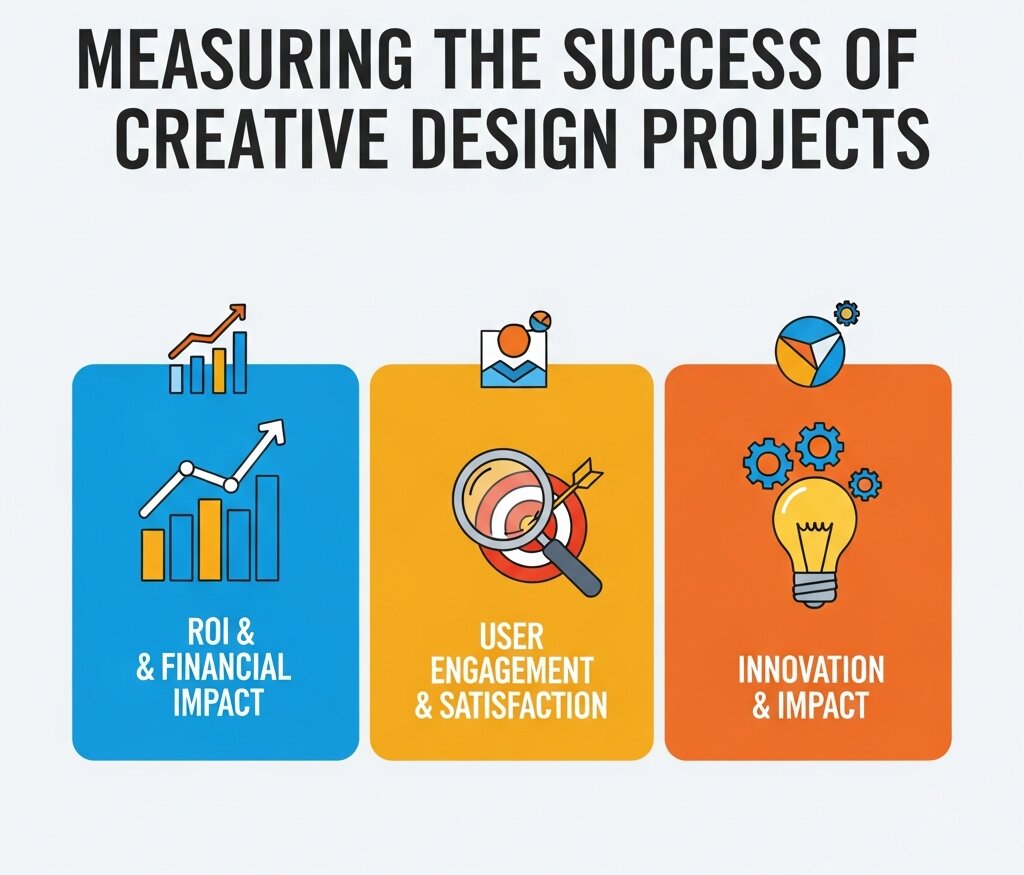 Creative excellence should be evaluated by more than visual appeal alone. Effective design achieves measurable outcomes, whether that means increasing user engagement, improving conversion rates, strengthening brand recognition, or enhancing customer satisfaction. Establishing clear performance metrics before a project begins allows designers to align creative decisions with business objectives and evaluate results objectively.
Data-driven insights also play a crucial role in continuous improvement. Analytics, user feedback, usability testing, heatmaps, and A/B testing reveal how people interact with a design in real-world situations. By combining creative craftsmanship with measurable performance analysis, designers can refine their work over time, ensuring every project delivers both aesthetic excellence and meaningful business value.
Frequently Asked Questions
1. What is center craft creativity design?
Center craft creativity design is a design philosophy that places creativity, craftsmanship, and intentional thinking at the heart of every project. It emphasizes thoughtful design decisions that balance aesthetics, functionality, and user experience.
2. Why is craftsmanship important in creative design?
Craftsmanship ensures every design element has a purpose. It improves visual consistency, strengthens brand identity, enhances usability, and results in higher-quality work that creates lasting impressions.
3. How does center craft creativity design improve brand identity?
By focusing on consistency, originality, and attention to detail, this approach helps businesses develop memorable visual identities that communicate their values across digital, print, and marketing materials.
4. What is the difference between visual creative design and digital creative design?
Visual creative design focuses on aesthetics such as typography, color, composition, and imagery, while digital creative design combines these principles with interactive experiences, responsive layouts, motion graphics, and user-centered functionality.
5. What skills are essential for successful creative designers?
Successful designers need strong visual communication, typography, color theory, layout design, problem-solving, creativity, user experience (UX) knowledge, collaboration skills, and proficiency with industry-standard design software.
6. How can designers develop a craft-centered creative process?
Designers can strengthen their creative process by studying design fundamentals, practicing regularly, seeking constructive feedback, refining their work through multiple iterations, and staying updated with emerging technologies and design trends.
7. Why is user experience important in modern creative design?
A visually appealing design is only effective if users can easily interact with it. Prioritizing usability, accessibility, and intuitive navigation ensures designs not only attract attention but also achieve their intended goals.
8. How does technology influence center craft creativity design?
Modern technologies such as AI-powered design tools, cloud collaboration platforms, motion design software, and prototyping applications enable designers to work more efficiently while maintaining high creative standards and craftsmanship.
9. What are the biggest mistakes to avoid in creative design?
Common mistakes include relying too heavily on design trends, neglecting user needs, creating inconsistent branding, overcrowding layouts, ignoring accessibility standards, and skipping the feedback and testing process.
10. How can businesses benefit from center craft creativity design?
Businesses benefit through stronger brand recognition, improved customer engagement, better user experiences, higher-quality marketing materials, and design solutions that effectively communicate their message while supporting long-term business growth.
Building Creative Excellence That Lasts
The most enduring creative work—across visual, modern, and digital creative design—shares a common characteristic: it was made with full commitment to both the idea and the craft. Not one at the expense of the other, but both together.
Center craft creativity design asks practitioners to slow down enough to ask the hard questions: Does this serve the audience? Does this communicate clearly? Does every element here have a reason to exist? These aren’t questions that slow the process—they’re questions that sharpen it.