Walking down a grocery store aisle or scrolling through a social media feed reveals thousands of companies competing for attention. Most of these companies blend together into a sea of similar colors, fonts, and messaging. A select few immediately grab your attention and hold it. That magnetic pull doesn’t happen by accident. It is the direct result of a highly intentional visual identity.
Your visual identity serves as the silent ambassador for your business. Before a customer reads a single word of your copy or clicks a button on your website, they process the shapes, colors, and overall aesthetic of your brand. If those visual cues feel disjointed or outdated, potential buyers will simply move on to a competitor.
Implementing a strategy for creative branding design is the most effective way to prevent your audience from scrolling past you. A strong design language communicates your core values, establishes trust, and creates a memorable experience that keeps customers coming back. It transforms a standard business into a recognizable entity with a distinct personality.
To help you build a more powerful aesthetic, we have compiled a comprehensive guide to strengthening your visual presence. From understanding core design principles to leveraging new technologies, these strategies will give you the tools you need to stand out in any market.
Understanding the Foundation of Your Brand
Before creating new assets, you need to understand the different disciplines that contribute to your brand’s look and feel. Many people use design terms interchangeably, which can lead to confusion when communicating with agencies or internal teams.
Graphic Design vs Visual Design
To build a cohesive brand, you must first understand graphic design vs visual design. Graphic design typically focuses on communicating a specific message to an audience through a single medium. A graphic designer might create a promotional poster, a social media graphic, or a product label. Their goal is to solve a specific communication problem using typography, imagery, and layout.
Visual design, on the other hand, encompasses a much broader scope. It focuses on the overarching aesthetics and the user’s experience across multiple touchpoints. A visual designer cares about how the digital interface looks, how the brand feels when you navigate a website, and ensuring that every single asset aligns with a unified stylistic vision.
When working on creative branding design, you need both. Graphic design executes the individual deliverables, while visual design dictates the overarching aesthetic system that connects them all together.
Creative Branding Design Strategies to Stand Out
 With a clear understanding of your overarching visual goals, you can begin executing specific strategies to strengthen your brand. Here are seven actionable tips to elevate your identity.
1. Develop a Psychology-Backed Color Palette
Color is often the very first thing a consumer registers about your brand. Research shows that color increases brand recognition by up to 80 percent. However, picking a color palette requires more than simply choosing your favorite shades. You must consider color psychology and how different hues affect human emotion.
Blue often communicates trust, security, and professionalism, which makes it incredibly popular for financial institutions and tech companies. Yellow evokes warmth and optimism, while green signifies growth, health, and sustainability. Choose a primary brand color that perfectly aligns with your company’s core values. Then, select two or three complementary secondary colors to build out a versatile palette. Ensure you include neutral tones like white, black, or gray to give your designs breathing room.
2. Embrace AI Motion Graphics for Dynamic Content
Static images are no longer enough to capture attention, especially on digital platforms. Movement catches the human eye instinctively. Incorporating video and animation into your visual identity is a highly effective way to increase engagement and tell a more compelling brand story.
You do not need an entire animation studio to achieve this. The rise of ai motion graphics has made it incredibly easy for brands to generate dynamic, moving content. These tools allow you to animate logos, create kinetic typography, and build engaging social media videos in a fraction of the time it used to take. Adding motion to your branding design keeps your audience visually stimulated and demonstrates that your company is modern and forward-thinking.
3. Let Typography Speak for Your Brand
Fonts carry just as much personality as colors. A thick, bold sans-serif font screams modern strength and stability. A delicate serif font implies elegance, tradition, and luxury. If you choose a font that clashes with your intended message, you will create a sense of cognitive dissonance for your audience.
Keep your typography system simple. Select one primary typeface for your headings and logos, and a highly readable secondary typeface for body copy. Establish clear rules for line spacing, letter spacing, and font weights. This hierarchy ensures that your written content is easily digestible and visually pleasing across all platforms.
4. Use a Visual Curriculum Design Tool for Brand Education
A beautifully crafted brand identity is useless if your team does not know how to implement it. As companies grow, keeping everyone aligned on design standards becomes incredibly challenging. Marketing might use one shade of your brand color, while the sales team uses an entirely different version in their pitch decks.
To solve this, many organizations use a visual curriculum design tool. This software helps you map out educational materials and training programs for your internal teams. By creating a visual curriculum, you can teach your employees the core principles of your brand’s design language in an engaging, easy-to-understand format. When your entire organization understands the “why” behind your aesthetic choices, maintaining consistency becomes much easier.
5. Design for Scalability and Responsiveness
Your brand needs to look just as good on a massive billboard as it does on a tiny smartwatch screen. When creating logos and visual assets, prioritize scalability. Avoid overly complex logos with tiny details that will disappear when scaled down.
A smart creative branding design strategy involves creating a responsive logo system. This usually includes a primary logo for large spaces, a secondary vertical or horizontal variation, and a simplified icon or monogram for social media profile pictures and favicons. This adaptability ensures your visual identity remains crisp and recognizable no matter where it is displayed.
6. Curate a Distinct Photographic Style
Photography is a major component of your visual identity, yet many brands treat it as an afterthought, relying heavily on generic stock photos. Generic imagery dilutes your brand and makes you look like everyone else.
Establish clear guidelines for the type of photography your brand uses. Decide on the lighting style, color grading, and subject matter. Do you want bright, airy lifestyle photos with natural lighting? Or perhaps moody, high-contrast studio shots? Whether you hire a professional photographer or curate premium stock imagery, strictly adhering to a specific photographic style will instantly elevate the professionalism of your brand.
7. Build a Comprehensive Brand Style Guide
Consistency builds trust. If a customer visits your website, clicks through to your Instagram, and then receives an email newsletter, every single touchpoint should feel like it comes from the exact same company. The only way to guarantee this level of consistency is by creating a brand style guide.
Your style guide should act as the ultimate source of truth for your visual identity. It must include your exact color hex codes, typography rules, logo usage guidelines, and photographic style. Distribute this document to every internal employee and external agency you work with. When everyone operates from the same playbook, your creative branding design remains strong and unified.
Create Memorable Brand Storytelling Elements
 Strong visuals become even more powerful when connected to a compelling story. Customers do not only buy products; they connect emotionally with brands that communicate clear values and authentic experiences. Your branding design should visually reinforce your story at every touchpoint.
Use imagery, icons, packaging, and website layouts that reflect your mission and company culture. If your brand promotes sustainability, incorporate natural textures, earthy colors, and environmentally conscious visuals. If your company focuses on innovation, use futuristic layouts, clean typography, and modern animation styles. Consistent storytelling through visuals creates emotional engagement and helps customers remember your business long after their first interaction with your brand.
Prioritize Social Media Brand Consistency
Social media often acts as the first interaction point between your business and potential customers. Inconsistent visuals across platforms can weaken trust and make your company appear disorganized. Maintaining a consistent branding strategy across Instagram, Facebook, LinkedIn, TikTok, and Pinterest strengthens recognition and professionalism.
Use the same profile logos, typography styles, color palettes, and content tone across every channel. Create branded templates for posts, reels, stories, and advertisements to maintain visual harmony. Consistency helps followers instantly recognize your content while scrolling through crowded feeds. A unified social media appearance also reinforces your overall creative branding design and improves audience engagement over time.
Incorporate Minimalist Design Principles
Modern audiences often prefer clean, simple, and highly focused visuals. Overcrowded designs filled with excessive text, colors, and graphics can overwhelm users and reduce readability. Minimalist branding design improves clarity while making your visual identity appear more sophisticated and modern.
Focus on essential design elements instead of unnecessary decoration. Use whitespace strategically to improve balance and readability. Simplify your logo, reduce clutter in layouts, and maintain a limited color palette for stronger visual impact. Minimalist branding also improves responsiveness across digital devices because simple designs adapt more effectively to mobile screens, tablets, and desktop interfaces without losing quality or usability.
Strengthen Brand Recognition Through Custom Illustrations
Custom illustrations help businesses create a unique identity that cannot easily be replicated by competitors. Unlike generic stock graphics, personalized illustrations give your brand originality and personality. They can make your website, packaging, advertisements, and social media campaigns feel more engaging and memorable.
Develop illustration styles that align with your overall visual identity. Whether you choose hand-drawn sketches, geometric illustrations, or modern flat design graphics, consistency is essential. Custom visuals also help explain complex services or ideas in a simple and approachable way. Businesses using original illustrations often appear more creative, authentic, and customer-focused, which increases trust and long-term brand recognition.
Continuously Evolve Your Branding Design
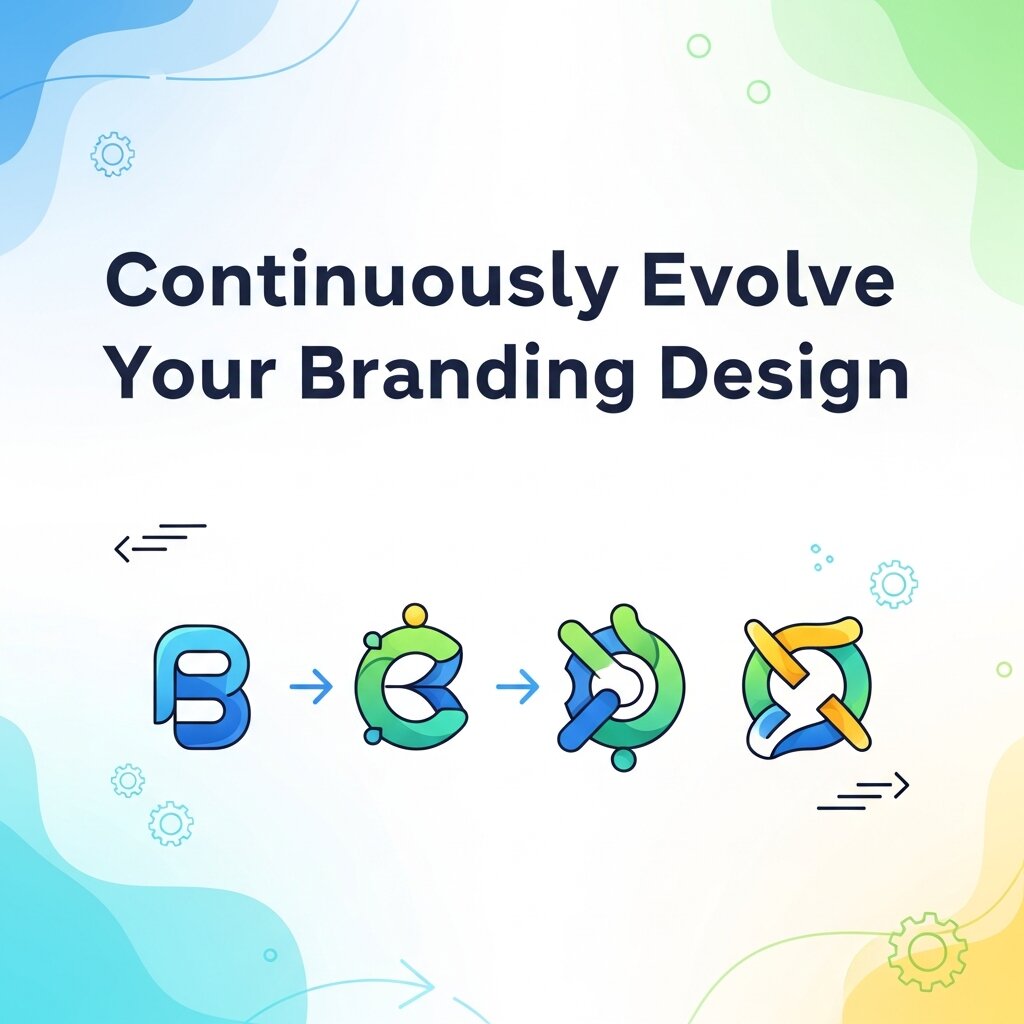 Branding should never remain completely static for years without evaluation. Consumer preferences, design trends, and digital platforms constantly evolve. Businesses that fail to refresh their visual identity risk appearing outdated or disconnected from modern audiences.
Regularly review your branding assets to ensure they still align with your goals and customer expectations. Small adjustments to typography, layouts, photography styles, or digital content can modernize your appearance without losing brand recognition. The goal is not to completely redesign your identity every year but to refine and improve it strategically over time. Continuous evolution keeps your creative branding design fresh, competitive, and highly relevant in rapidly changing markets.
Elevate Your Brand’s Visual Presence Today
Strengthening your visual identity is an ongoing process of refinement and adaptation. By applying these design strategies, you take control of how the world perceives your business. You move away from generic visuals and step into a space where your brand communicates value before a customer even reads your pitch.
Start by auditing your current visual assets. Look for inconsistencies in your colors, fonts, and imagery. Explore new technologies like artificial intelligence to create engaging motion graphics, and ensure your team is fully educated on your brand standards. By committing to exceptional design, you build a resilient, memorable brand that easily captures and retains customer attention.