Professional creative design does more than make a business look good—it shapes perception, builds trust, and directly influences revenue. From the logo on your homepage to the motion graphics in your latest campaign, every visual decision either strengthens or weakens your brand’s ability to compete.
This post breaks down exactly how professional creative design contributes to business growth, which design disciplines matter most, and what separates companies that use design strategically from those that treat it as an afterthought.
Why Design Is a Business Asset, Not Just an Aesthetic Choice
 Most businesses understand that design matters. Fewer understand why it matters in measurable terms.
Research from McKinsey & Company found that design-driven companies outperformed industry benchmark growth by as much as two to one over a five-year period. That’s not a coincidence—it reflects the compounding effect of consistent, intentional visual communication. When customers trust what they see, they’re more likely to buy, return, and refer.
Professional creative design communicates competence before a single word is read. A poorly designed website signals instability. A cohesive, well-executed brand identity signals authority. These judgments happen in milliseconds, and they influence decisions worth thousands of dollars.
The businesses that treat design as a core business function—rather than a cosmetic layer—are the ones that scale faster, retain customers longer, and charge premium prices without resistance.
What Does Professional Creative Design Actually Include?
Professional creative design spans a wide range of disciplines, each serving a different function in the customer journey.
Brand Identity and Creative Branding Design
Creative branding design is the foundation of everything else. It encompasses your logo, typography, color palette, visual language, and the overall aesthetic that defines how your brand appears across every touchpoint.
Strong brand identity creates immediate recognition. Think of how quickly you can identify a Spotify notification, an Apple product page, or an Airbnb listing—before you’ve even read a word. That recognition is the result of years of disciplined, consistent creative branding design.
For growing businesses, establishing this foundation early pays dividends across every future marketing effort. Every ad, every social post, every email becomes more effective when it draws from a coherent visual system.
Web and Digital Design
Your website is often the highest-stakes piece of design your business owns. A professionally designed website doesn’t just look polished—it’s structured to guide users toward a specific outcome, whether that’s a purchase, a form submission, or a call booking.
Good digital design balances aesthetics with function. Navigation should be intuitive. Calls to action should be visible without being aggressive. The visual hierarchy should lead the eye naturally from headline to benefit to conversion point.
Poor digital design, on the other hand, creates friction. And friction kills conversions. According to research from Forrester, a well-designed user interface can raise conversion rates by up to 200%, while better UX design can yield conversion rates up to 400% higher.
Innovative Design Solutions for Marketing Collateral
Sales decks, brochures, email templates, digital ads, and social content all fall under the umbrella of marketing collateral. When these materials are built around innovative design solutions, they do more than inform—they persuade.
Innovative design solutions prioritize both novelty and clarity. They challenge conventional layouts while remaining purposeful. A sales deck that uses bold typography and unexpected visual structure holds attention longer than a standard slide template. An email campaign with a distinctive visual identity achieves higher open-to-click rates because it stands out in a crowded inbox.
The key is that innovation in design should always serve the message—not overshadow it.
AI Motion Graphics and Video Content
AI motion graphics represent one of the fastest-growing areas in professional creative design. Motion graphics—animated visuals that communicate data, stories, or brand messaging—have always been powerful. Now, with AI-assisted design tools, they’re also increasingly accessible.
Businesses are using AI motion graphics for everything from explainer videos and product demos to social media content and pitch presentations. The advantage isn’t just visual appeal—it’s retention. Studies consistently show that viewers retain significantly more information from video content than static text or images.
For brands that want to stand out on platforms like LinkedIn, Instagram, or YouTube, AI motion graphics offer a way to create high-quality, dynamic content at a fraction of the traditional production cost. When integrated into a broader professional creative design strategy, they amplify reach and reinforce brand identity simultaneously.
How Professional Creative Design Impacts the Customer Journey
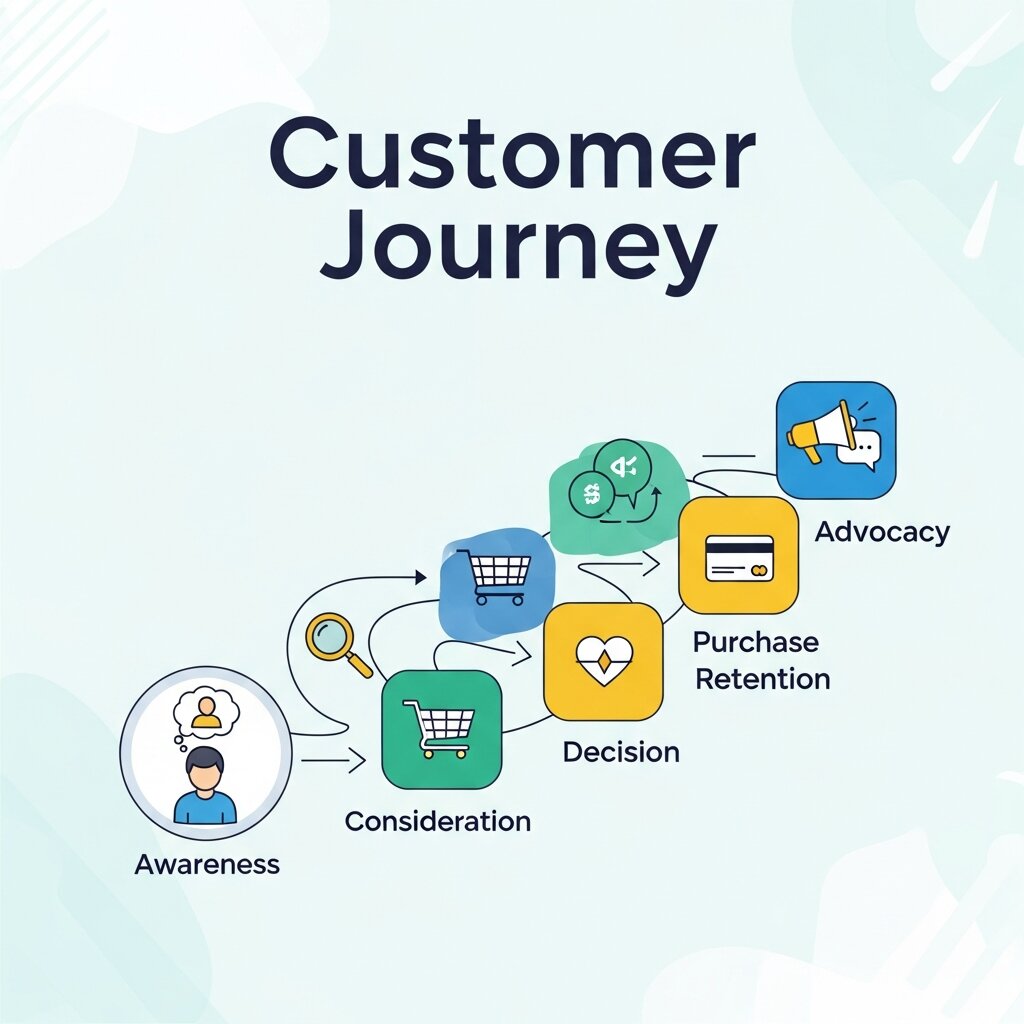 Design doesn’t just influence a single moment—it shapes every stage of the customer experience.
Building Trust at the Awareness Stage
When a potential customer encounters your brand for the first time, they’re making rapid assessments. Is this company credible? Does this feel like a business I’d trust with my money? Professional creative design answers these questions before your copy gets a chance to.
Color, typography, and layout all carry psychological weight. Blues convey reliability. Clean sans-serif fonts signal modernity. Generous white space suggests confidence. These aren’t arbitrary aesthetic choices—they’re calibrated signals that prime your audience to engage.
Driving Conversion at the Consideration Stage
Once a prospect is actively evaluating your offering, design becomes a conversion tool. Product imagery, comparison tables, testimonial layouts, and landing page design all influence whether someone moves forward or clicks away.
High-performing landing pages share common design traits: a single, clear focal point; visual cues that direct attention toward the call to action; and consistent use of brand elements that reinforce trust. These outcomes don’t happen by accident—they’re the result of deliberate, professional design decisions.
Reinforcing Loyalty at the Retention Stage
Post-purchase design matters more than most businesses realize. Onboarding emails, packaging, invoices, and customer portals all contribute to how customers feel about a brand after they’ve bought.
When these touchpoints reflect the same quality and care as the initial brand experience, they reinforce the customer’s decision to buy and lay the groundwork for repeat purchases. Inconsistent or low-quality design at this stage undermines trust that was hard-won at the top of the funnel.
The Strategic ROI of Investing in Creative Design
It’s worth being direct about the financial case for professional creative design, because the ROI is real and well-documented.
Consistent brand presentation across all platforms has been shown to increase revenue by as much as 23%, according to research cited by Lucidpress. That figure reflects the cumulative value of cohesion—when every customer touchpoint looks and feels like it belongs to the same brand, the brand becomes more memorable and more trusted.
There’s also a competitive dimension to consider. Markets across every industry are saturated. Products are increasingly similar. Price competition erodes margins. In this environment, design becomes a primary differentiator—a way to claim a distinct position in the minds of customers who have plenty of alternatives.
Businesses that invest in professional creative design aren’t just buying prettier assets. They’re buying a stronger competitive position, higher conversion rates, and greater customer loyalty.
Common Design Mistakes That Stunt Business Growth
Understanding what good design enables also requires understanding what poor design costs.
Inconsistency is the most widespread problem. Brands that use different fonts, colors, and visual styles across their website, social channels, and printed materials train customers to see them as disorganized. Inconsistency erodes the trust that design is supposed to build.
Chasing trends without purpose is another costly mistake. Design trends exist, and staying current matters—but not at the expense of clarity or brand coherence. A brand that redesigns its identity every 18 months to chase aesthetic trends confuses its audience and sacrifices the recognition it has worked to build.
Underinvesting in digital touchpoints is particularly damaging in the current landscape. A beautifully designed physical store or print catalog carries little weight if the website looks like it was built in 2012. Customers expect digital experiences to be fast, polished, and intuitive—and they will leave if they’re not.
Treating design as a one-time project rather than an ongoing discipline is a structural mistake. Markets evolve, audiences shift, and new channels emerge. Professional creative design requires sustained investment and iteration, not a single project that’s then left untouched for years.
Building a Design-Driven Culture Within Your Business
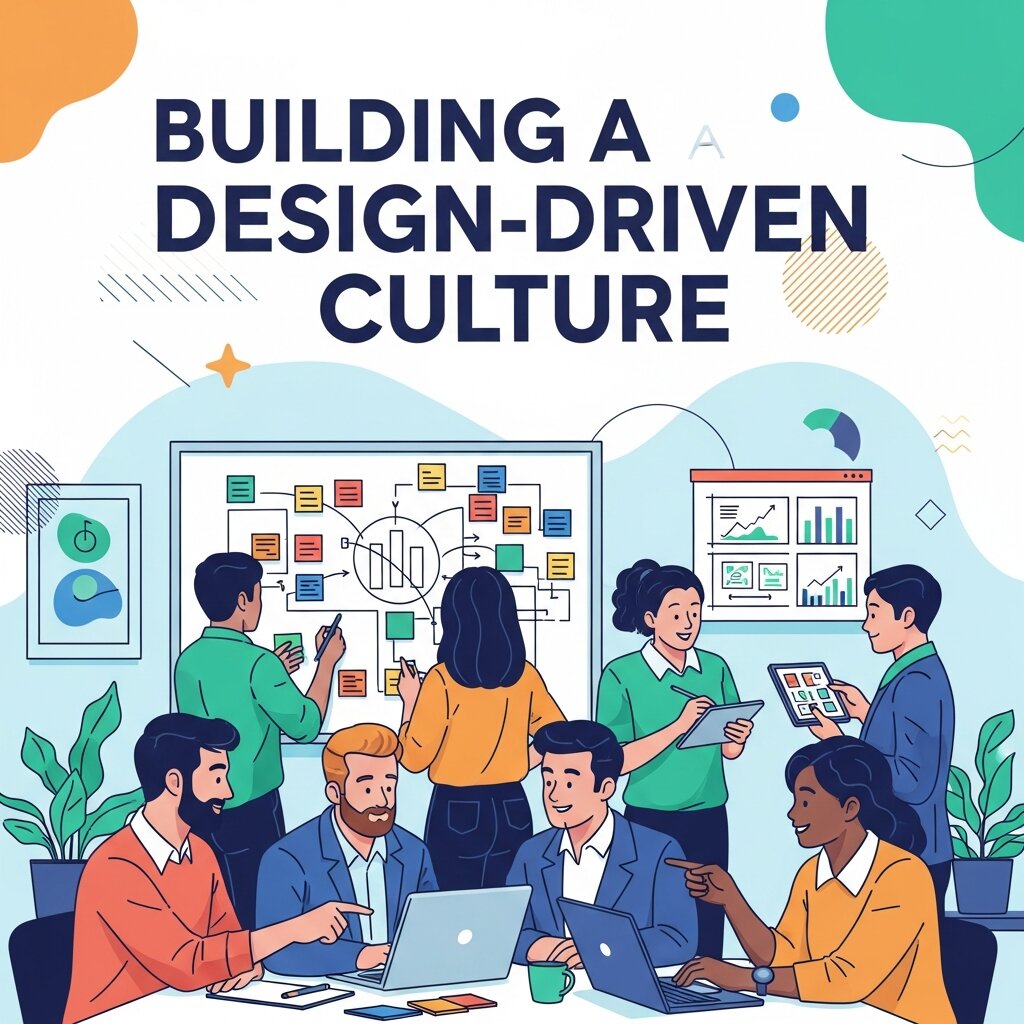 The most design-forward companies aren’t just the ones with the biggest design budgets—they’re the ones where design thinking is embedded in business decisions at every level.
This starts with leadership. When executives understand and advocate for the value of design, resources follow. When design is treated as a strategic function rather than a support role, it attracts stronger talent and produces better outcomes.
It also requires cross-functional collaboration. Design doesn’t operate in isolation—it intersects with marketing strategy, product development, customer experience, and sales. Businesses that create structures for designers to collaborate closely with these teams produce work that’s both visually strong and commercially effective.
Finally, it means measuring design’s impact. Track the metrics that reflect design’s influence: conversion rates, time on site, customer satisfaction scores, brand recall. When you can demonstrate design’s contribution to business outcomes, investment decisions become much easier to justify.
Measuring the Success of Professional Creative Design
Investing in professional creative design is only worthwhile if you can measure its impact. Fortunately, design performance isn’t as subjective as many people assume. Metrics like website conversion rates, social media engagement, customer retention, and brand recall provide clear indicators of whether your visual strategy is working.
Businesses should also gather qualitative feedback through customer surveys and usability testing. Understanding how people perceive your brand can reveal strengths and weaknesses that analytics alone might miss. When design decisions are guided by both data and creativity, companies can refine their visual identity continuously and maximize long-term returns.
Choosing the Right Creative Design Partner
Not every business has an in-house design team, which makes choosing the right creative partner an important decision. The ideal agency or designer should understand your industry, align with your brand values, and possess expertise across multiple disciplines, including branding, web design, and motion graphics.
Look beyond portfolios and ask about strategy, processes, and results. A strong creative partner doesn’t just deliver attractive visuals—they solve business problems through design. By building a long-term relationship with experienced professionals, businesses gain access to innovative ideas and consistent creative direction that supports sustainable growth.
FAQ: Professional Creative Design
1. What is professional creative design?
Professional creative design is the strategic use of visual elements, branding, and digital experiences to communicate messages, strengthen brand identity, and achieve business goals effectively.
2. Why is professional creative design important for businesses?
It helps businesses build trust, improve brand recognition, increase customer engagement, and drive conversions by creating consistent and visually appealing experiences across all channels.
3. What is creative branding design?
Creative branding design involves developing a brand’s visual identity, including logos, typography, color schemes, and brand guidelines that create a memorable and recognizable image.
4. How does professional creative design affect customer trust?
High-quality design creates a positive first impression and signals professionalism, making customers more likely to trust a brand and engage with its products or services.
5. What are innovative design solutions?
Innovative design solutions are creative approaches that combine originality with functionality to solve business challenges, improve user experiences, and make brands stand out from competitors.
6. What role do AI motion graphics play in modern design?
AI motion graphics help businesses create engaging animations, explainer videos, and social media content faster and more cost-effectively while maintaining high visual quality.
7. How does web design contribute to business growth?
A professionally designed website improves user experience, increases engagement, reduces bounce rates, and encourages visitors to take actions such as making purchases or submitting inquiries.
8. What are common mistakes businesses make with creative design?
Common mistakes include inconsistent branding, outdated visuals, website usability issues, ignoring mobile responsiveness, and following design trends without considering brand identity.
9. How can small businesses benefit from professional creative design?
Small businesses can use professional design to establish credibility, compete with larger brands, attract new customers, and create a strong and lasting market presence.
10. Is professional creative design a one-time investment?
No. Professional creative design is an ongoing process that evolves with market trends, customer preferences, and business goals to ensure long-term growth and brand relevance.
Design Your Way to Sustainable Growth
Professional creative design is one of the highest-leverage investments a growing business can make. It shapes perception, earns trust, drives conversion, and builds the kind of brand equity that compounds over time.
The businesses winning in competitive markets aren’t winning on price or product alone. They’re winning because they’ve made design a strategic priority—from their creative branding design foundations to their innovative design solutions for digital channels and their use of AI motion graphics to engage modern audiences.